URBAN ROVER
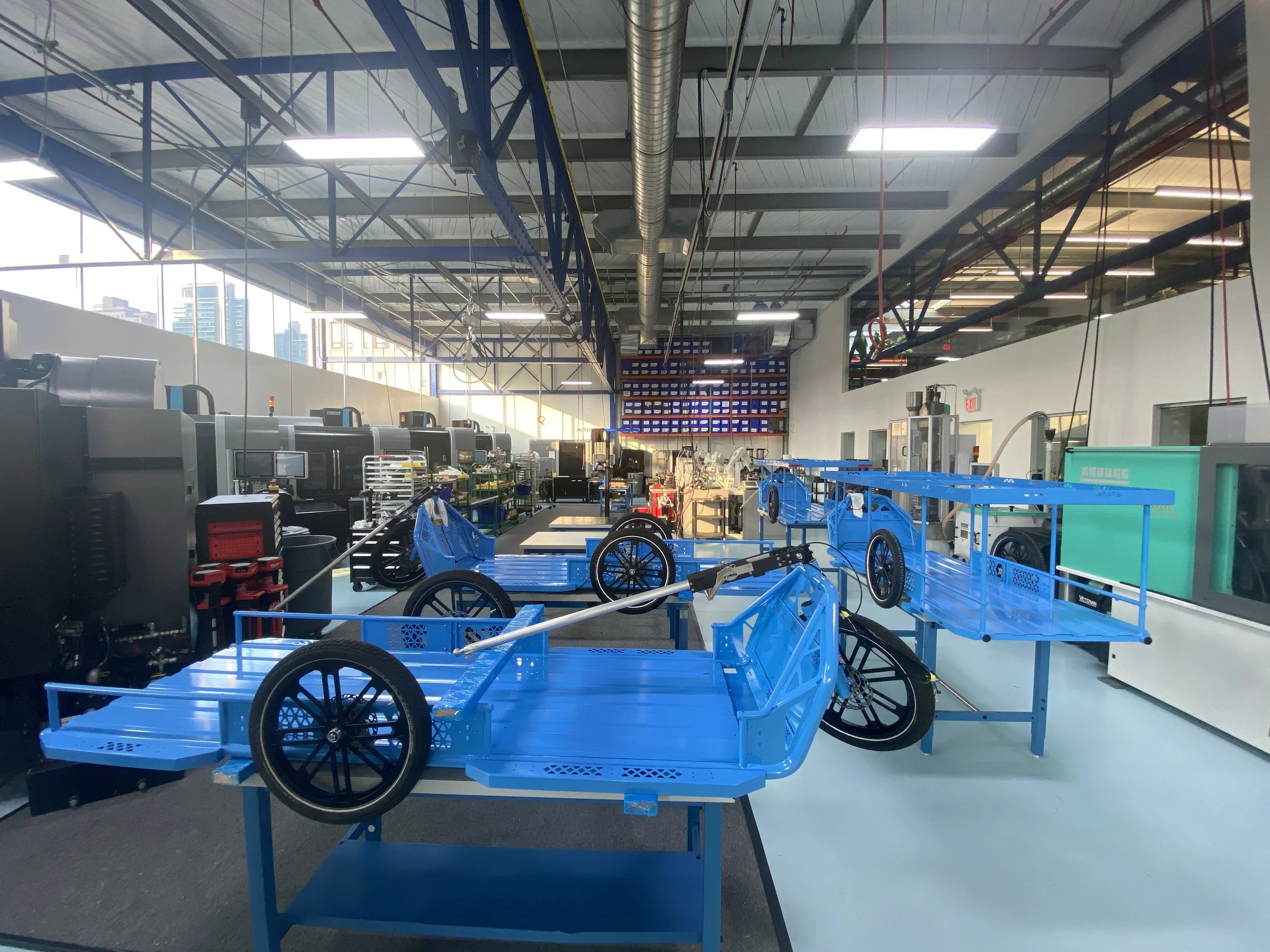
Urban Rover was a mobility start-up based in Queens, New York. When I joined the company, there was no designer on the team, so my role began with understanding the needs of last-mile delivery workers and adapting the design process to an engineering-led, fully in-house manufacturing environment at Boyce Technologies in Long Island City.
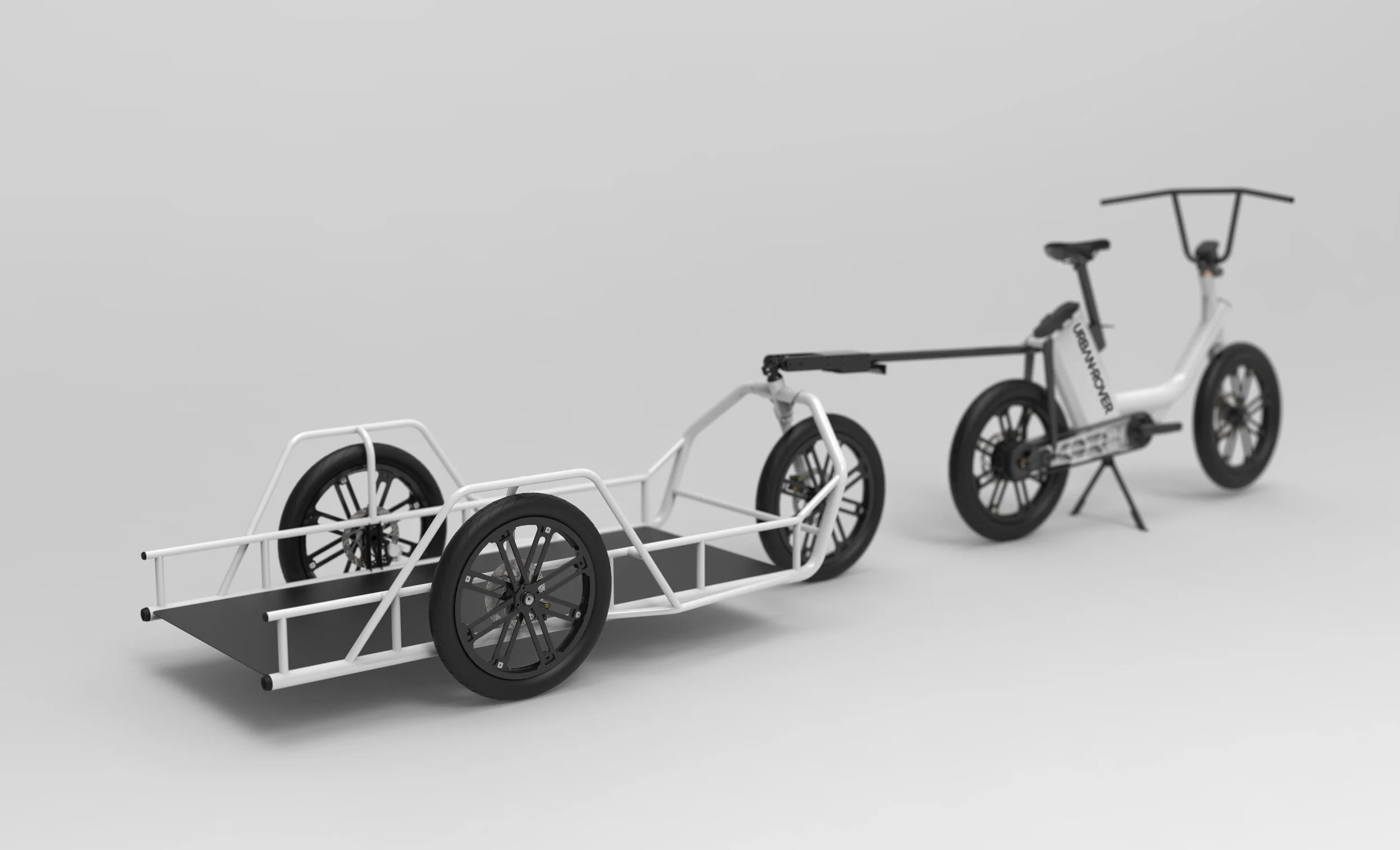
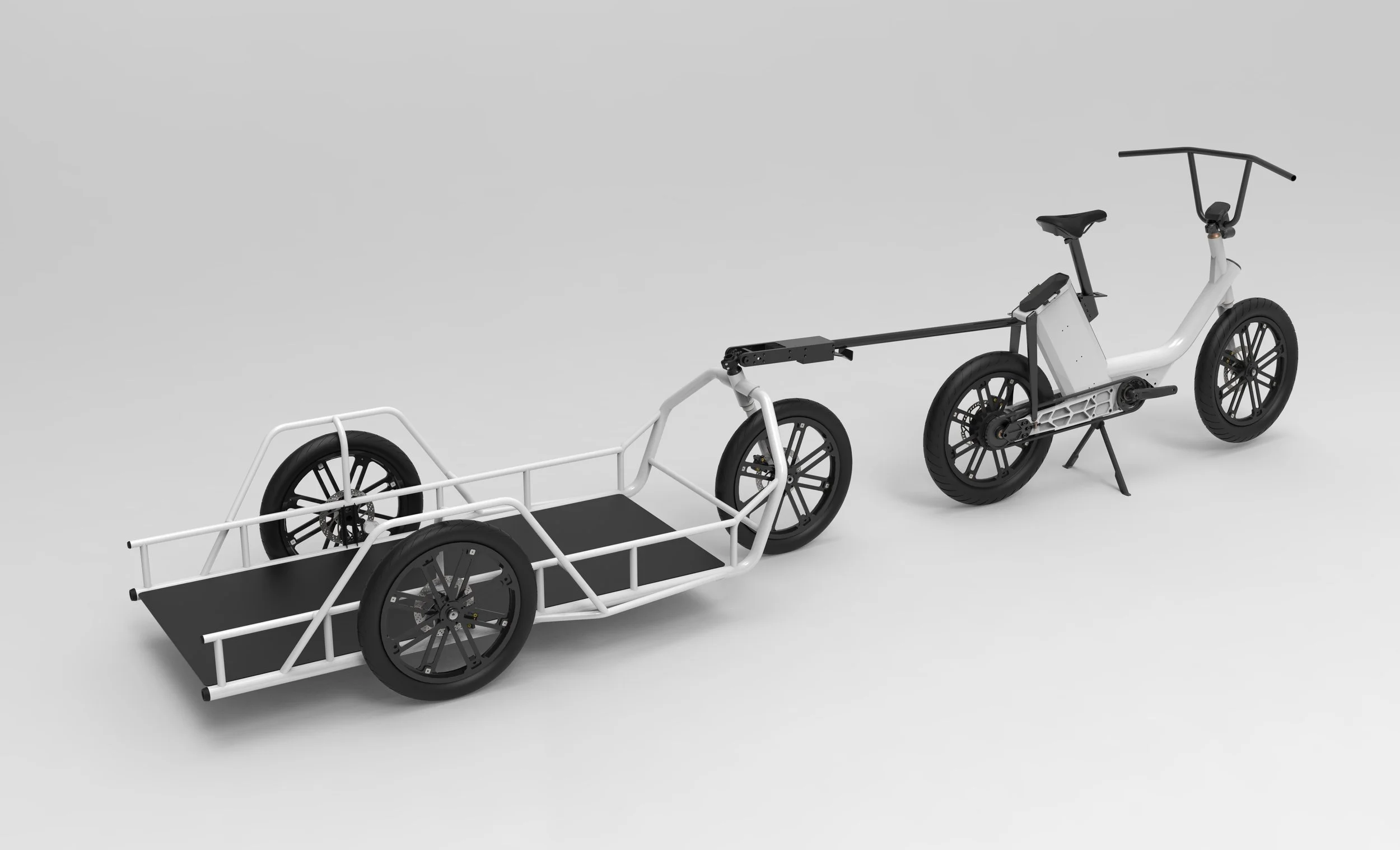
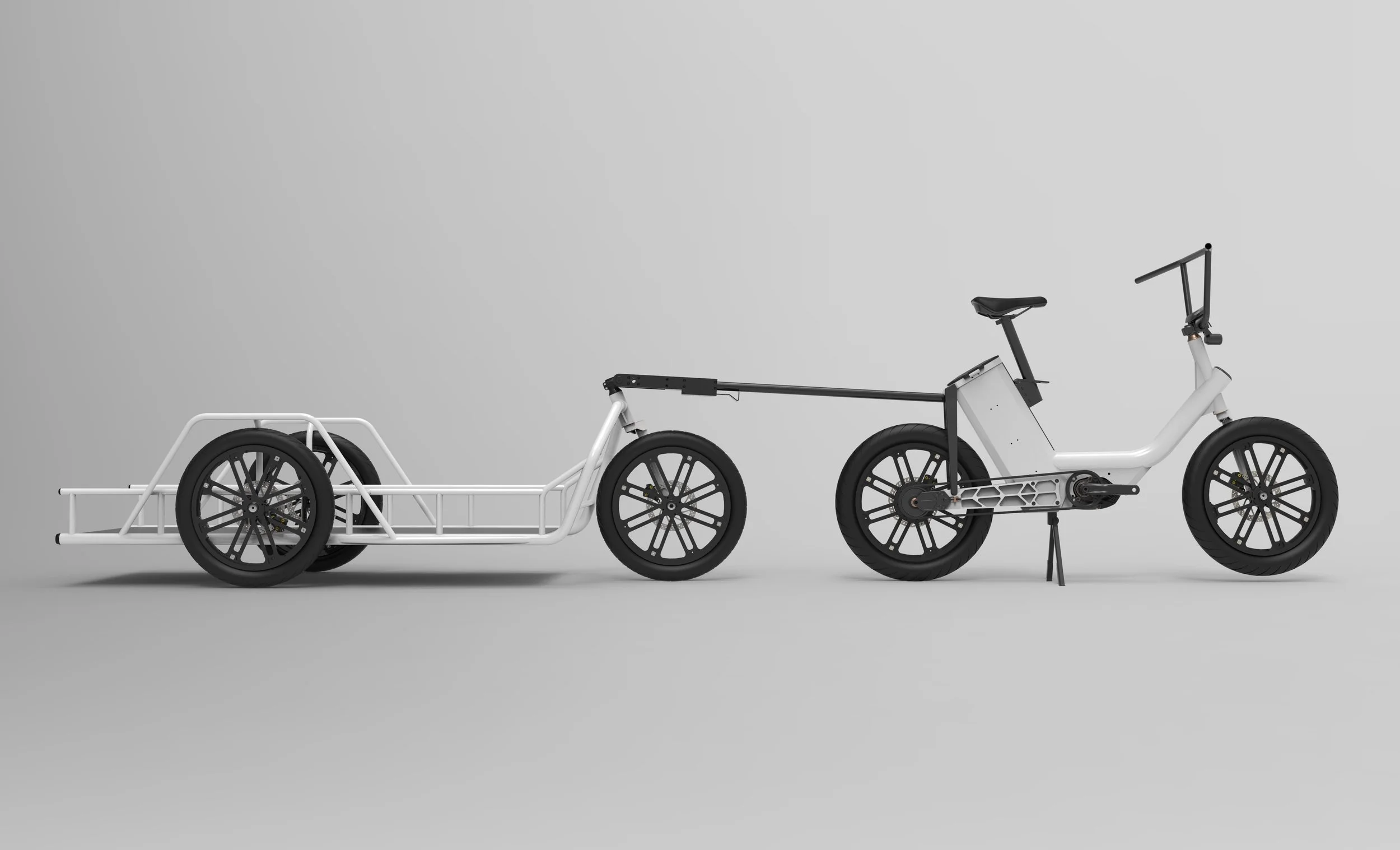
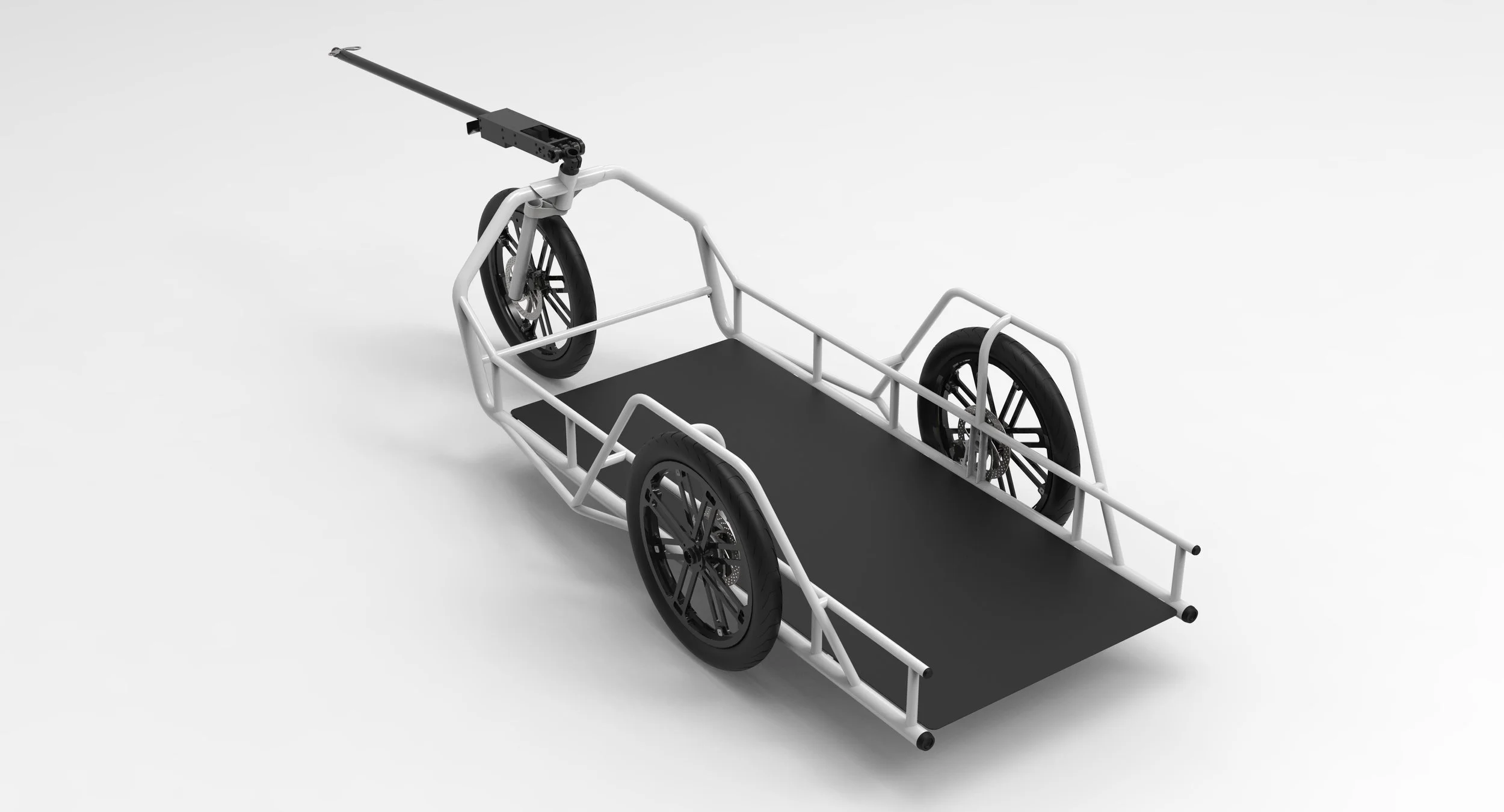
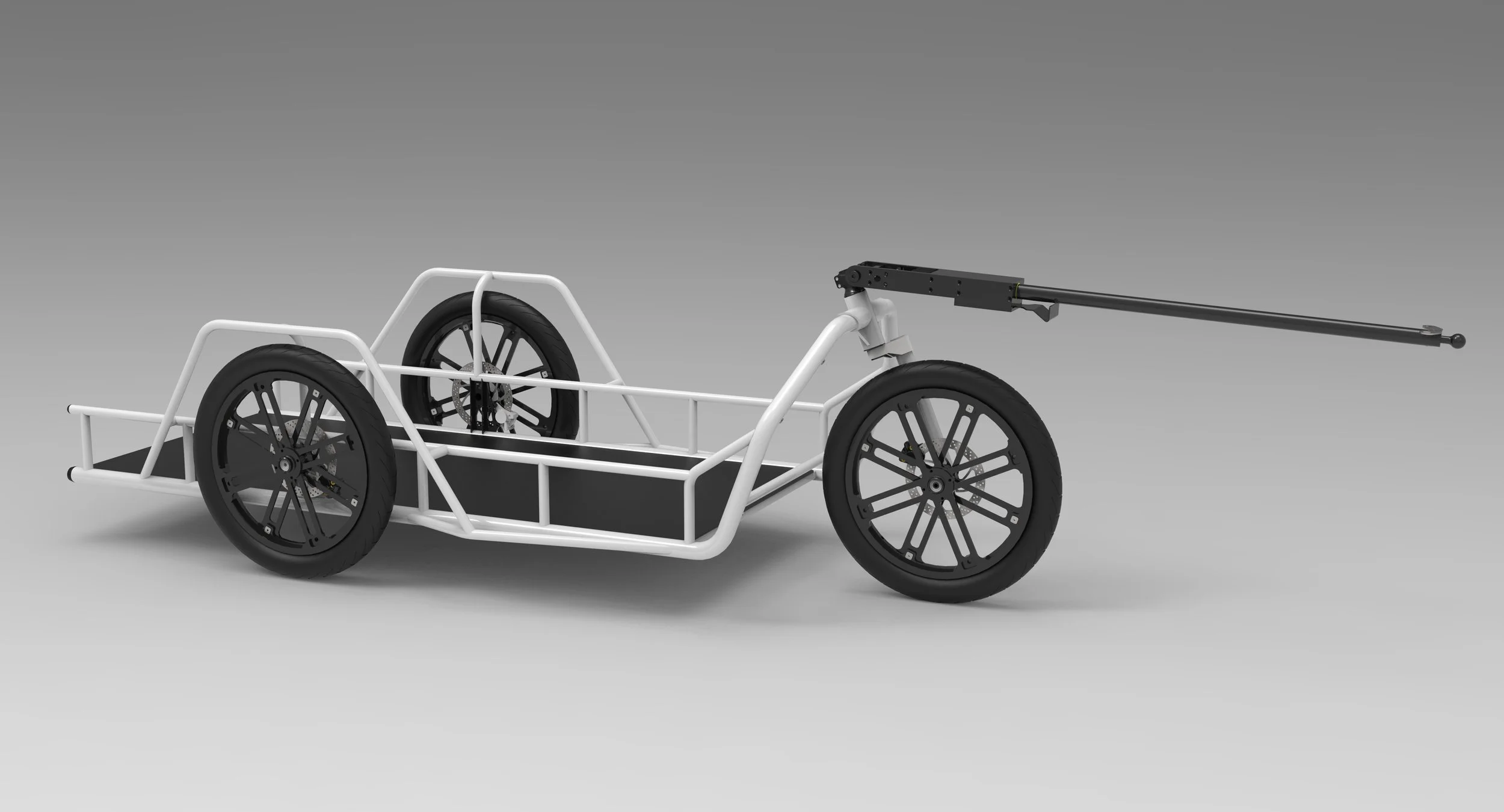
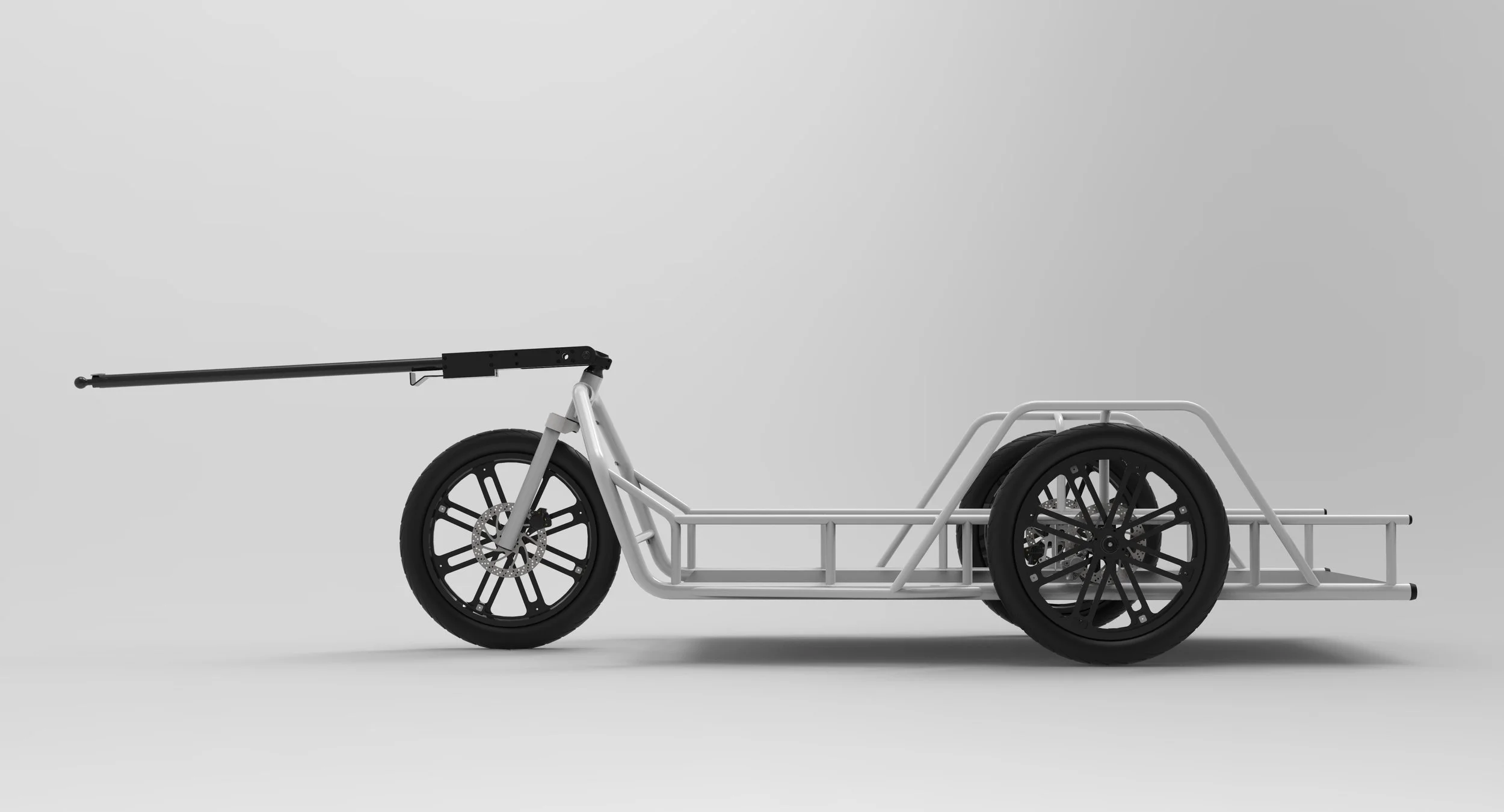
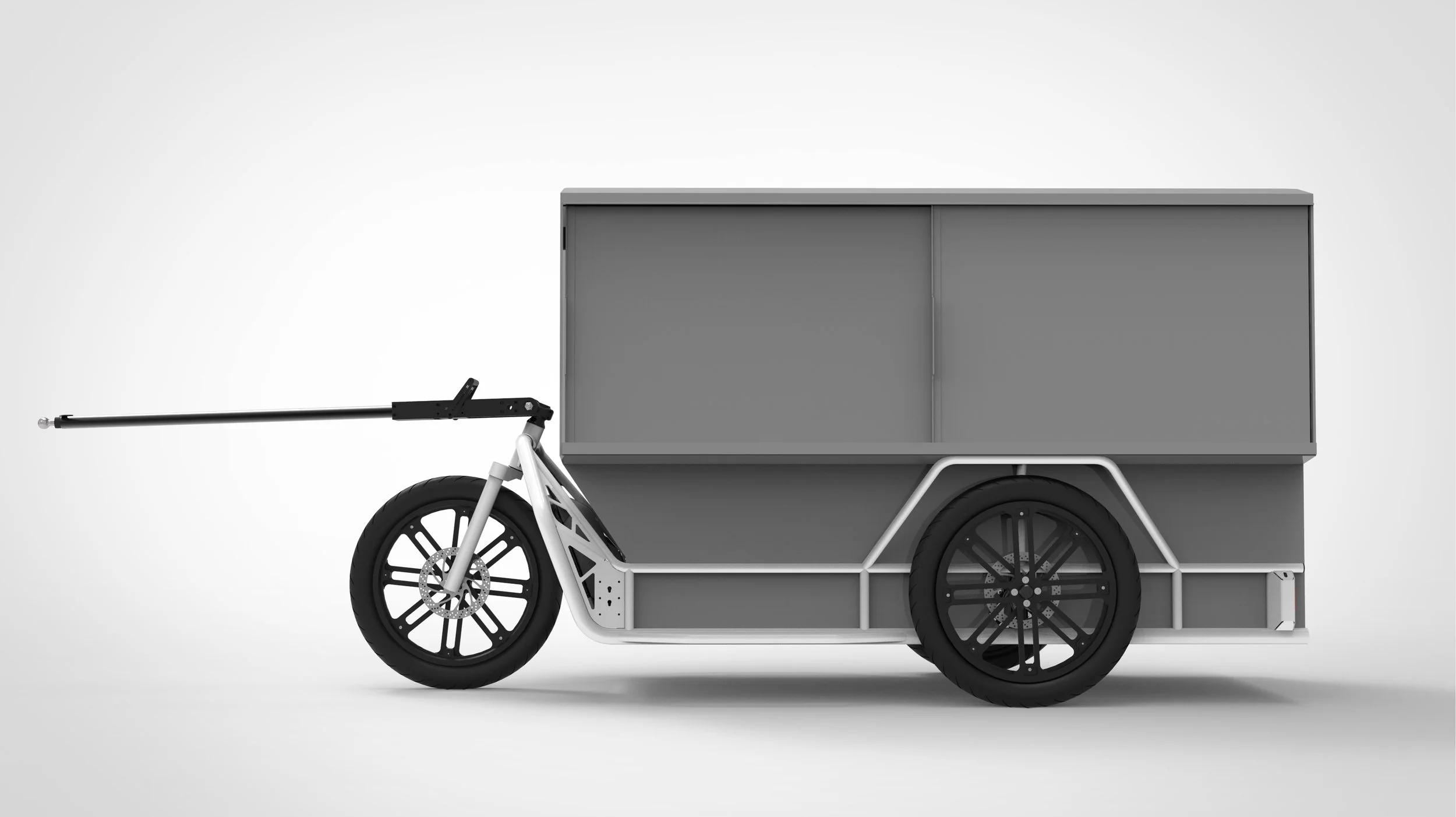
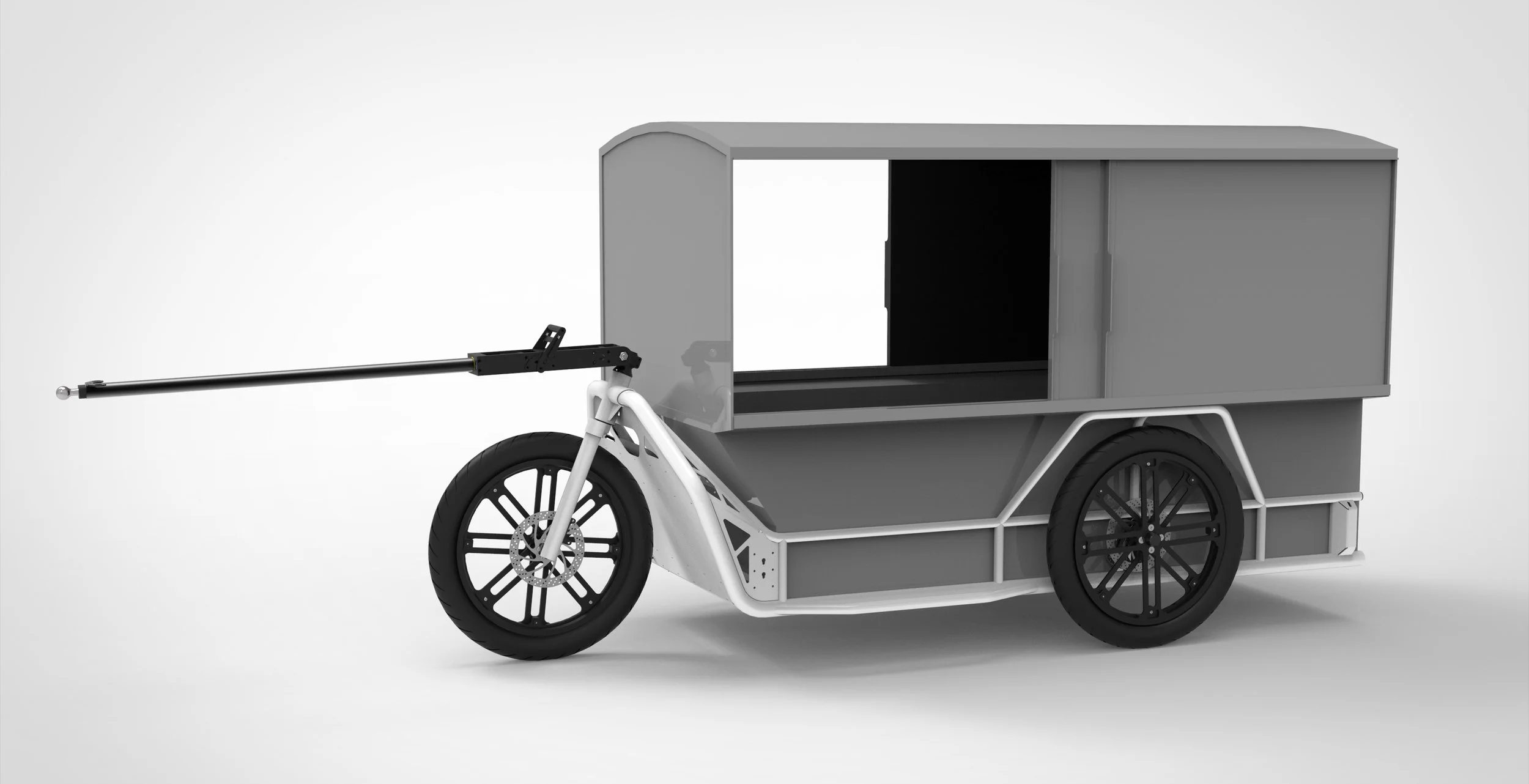
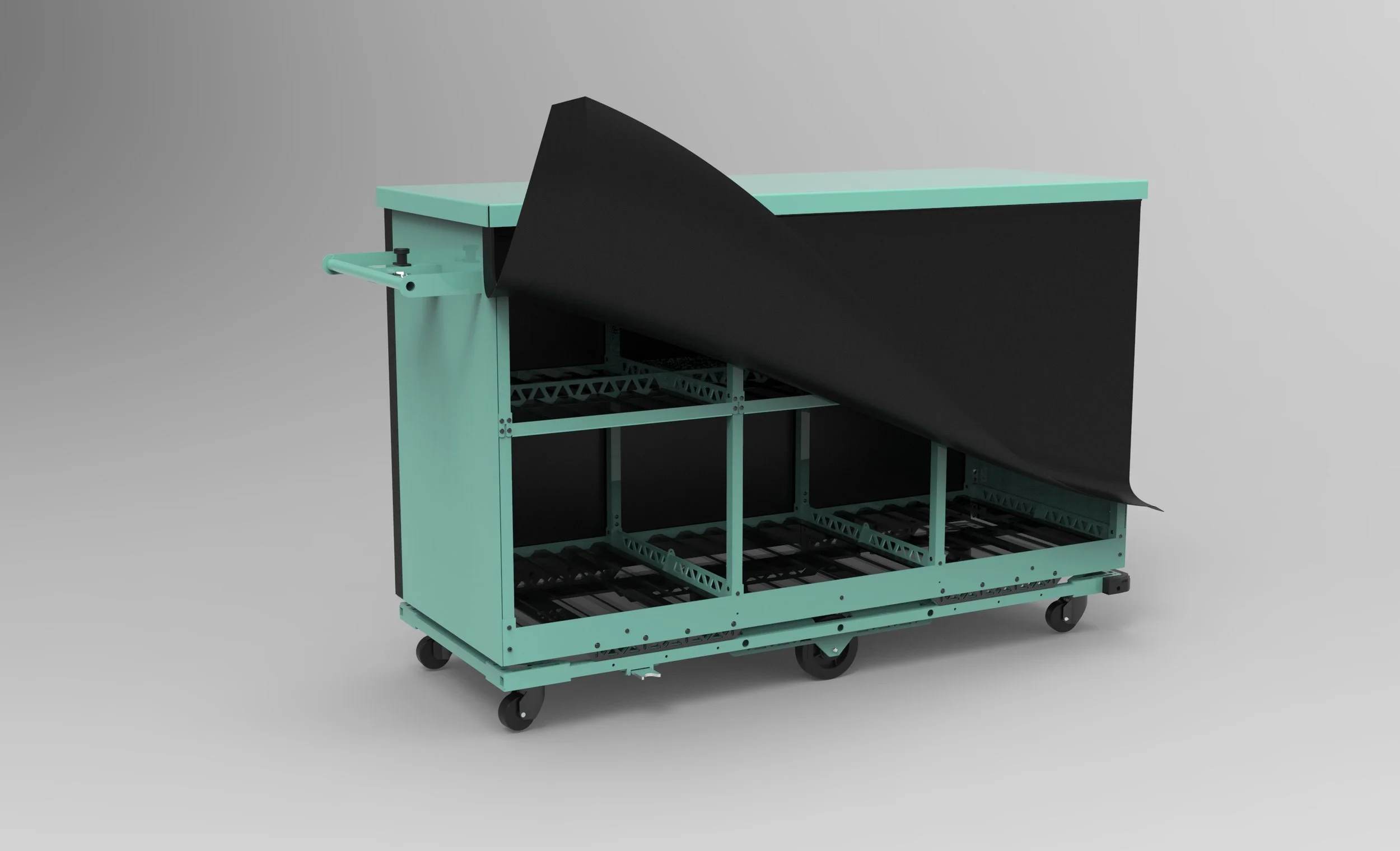
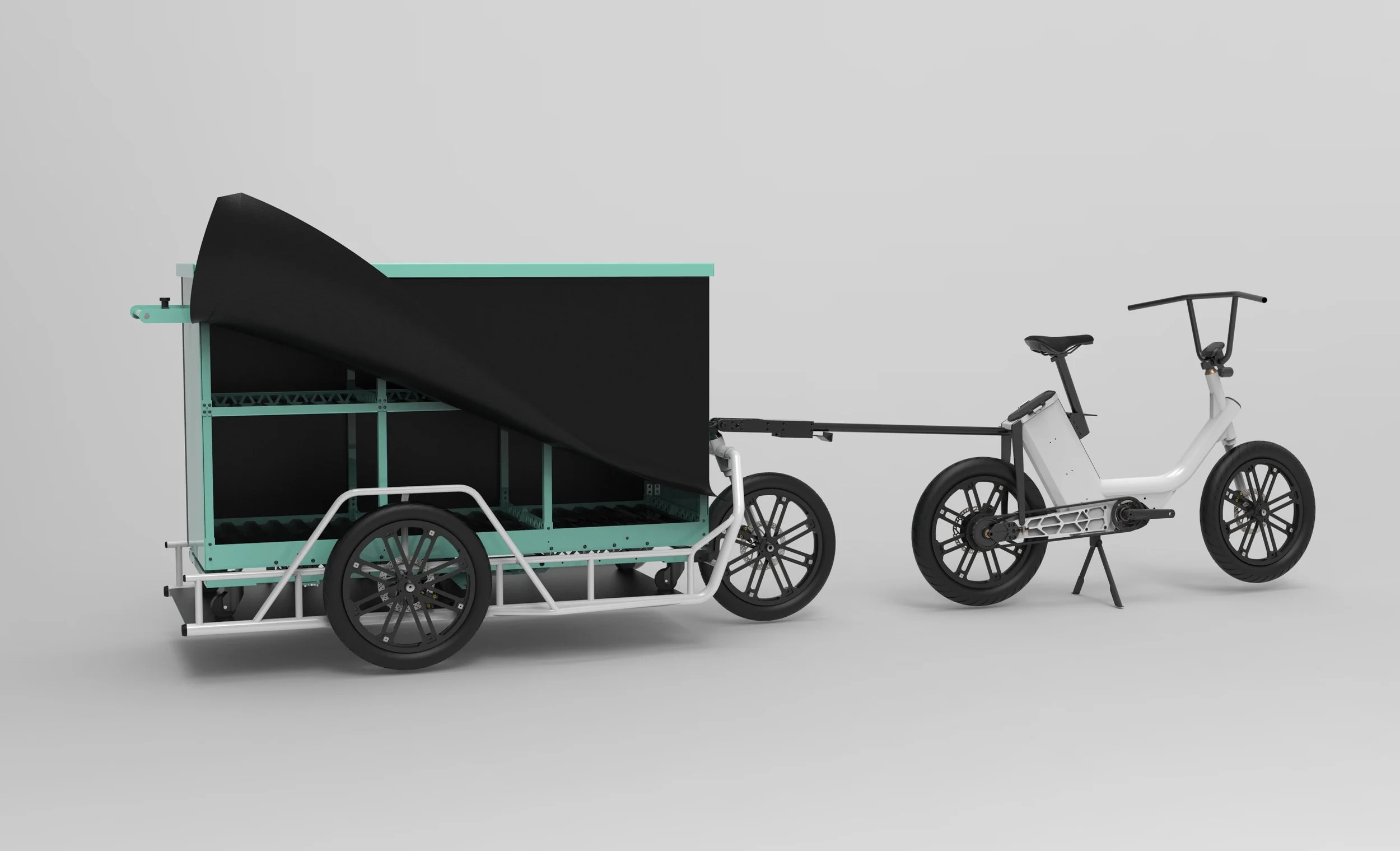
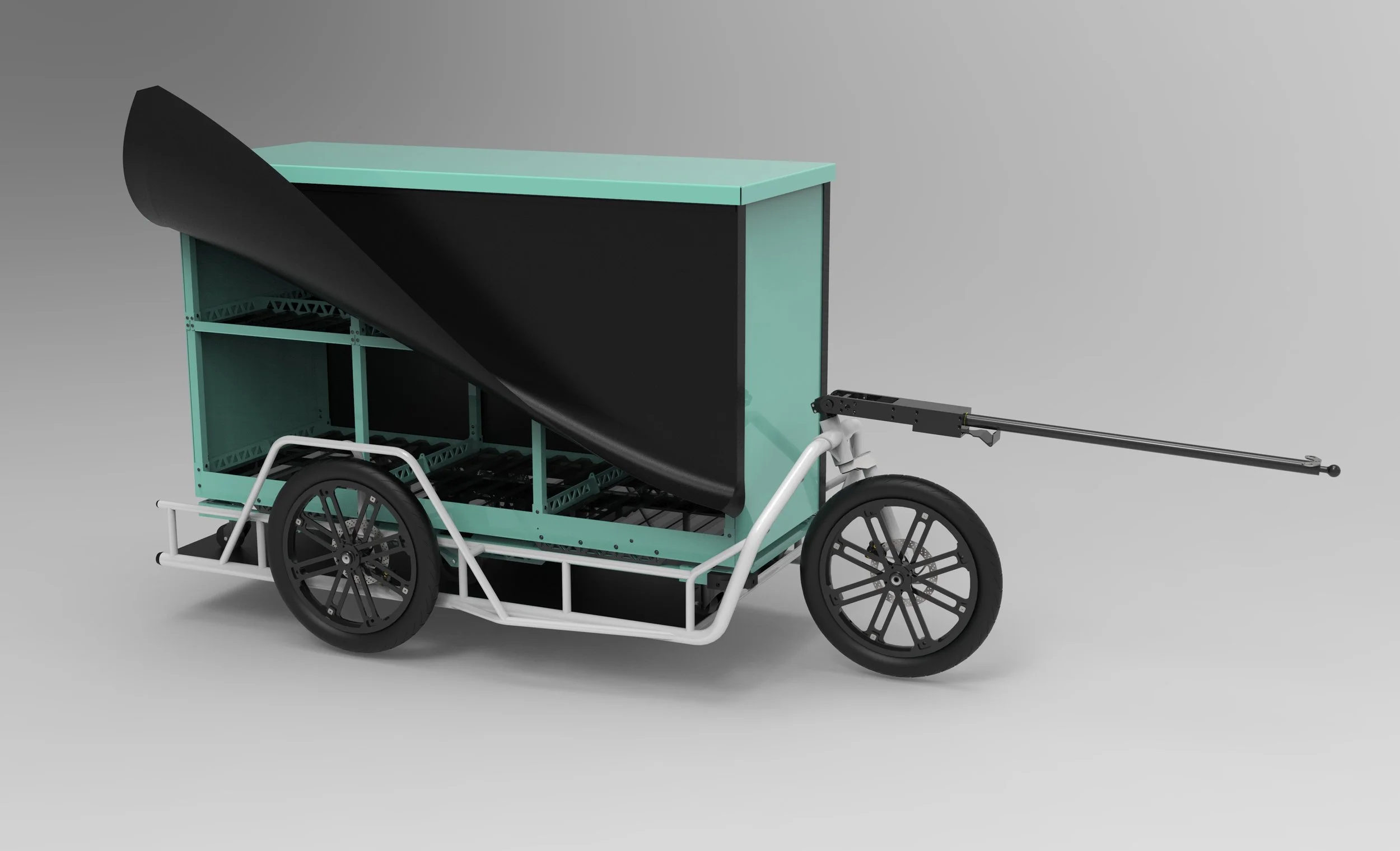
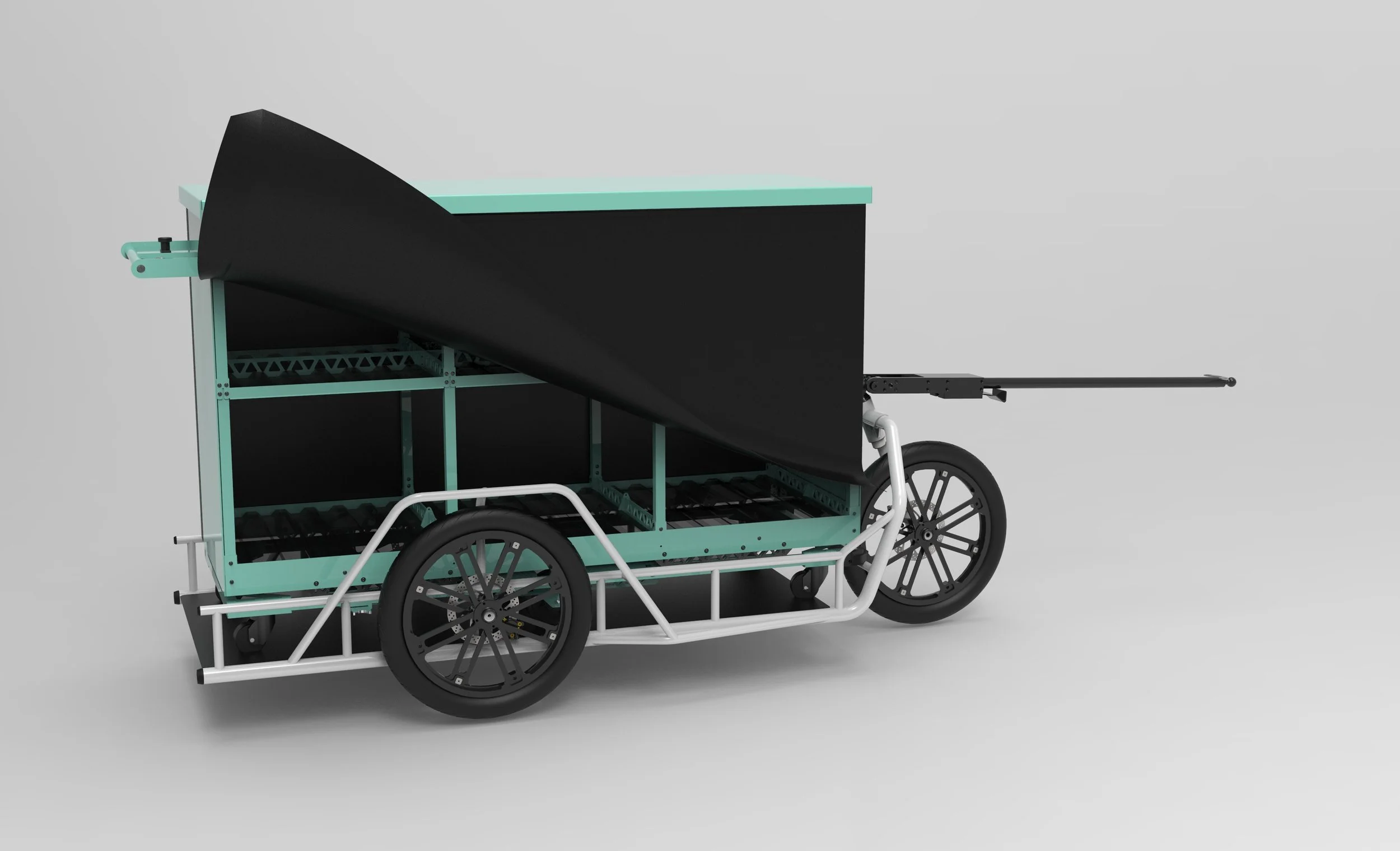
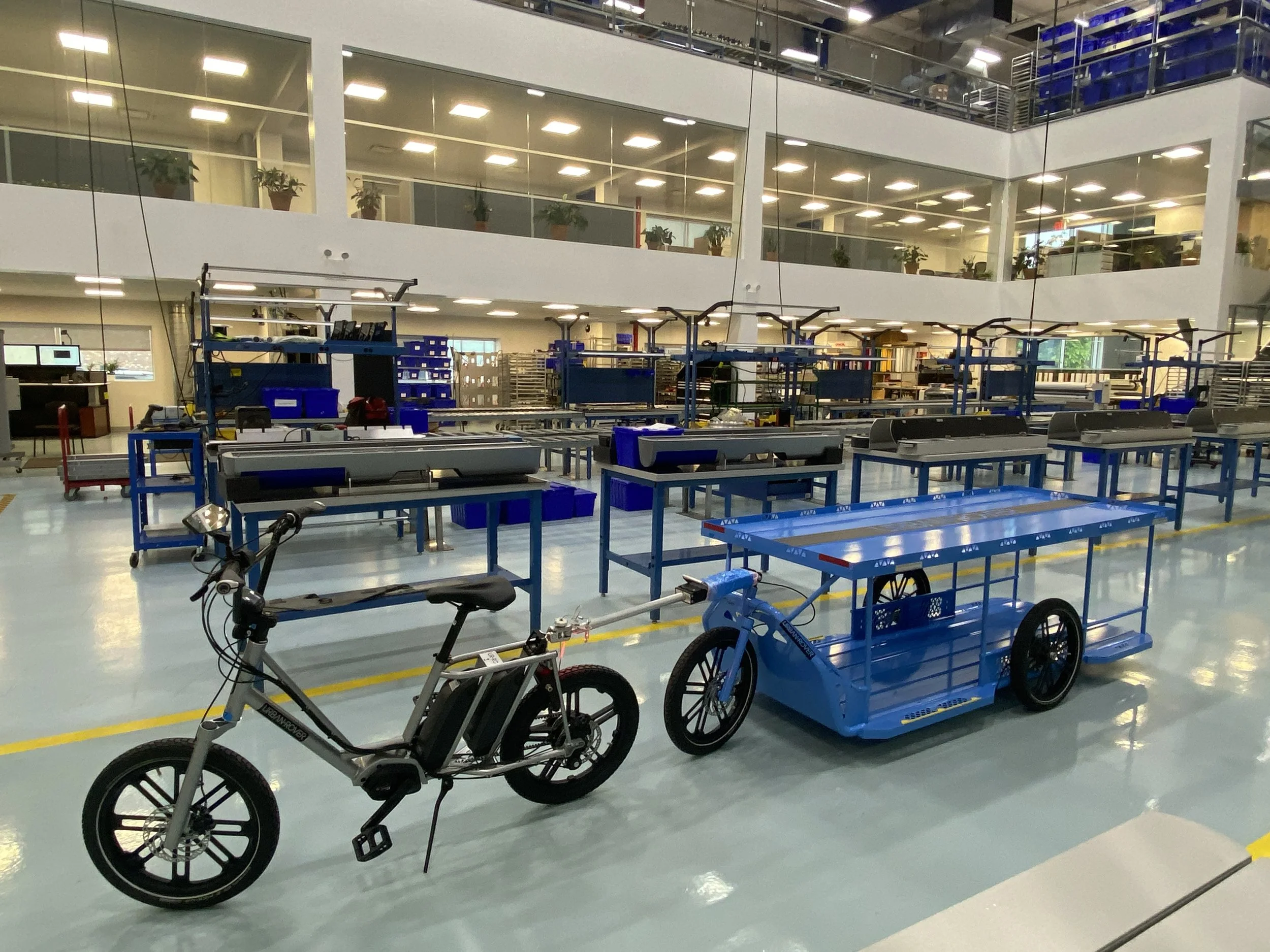
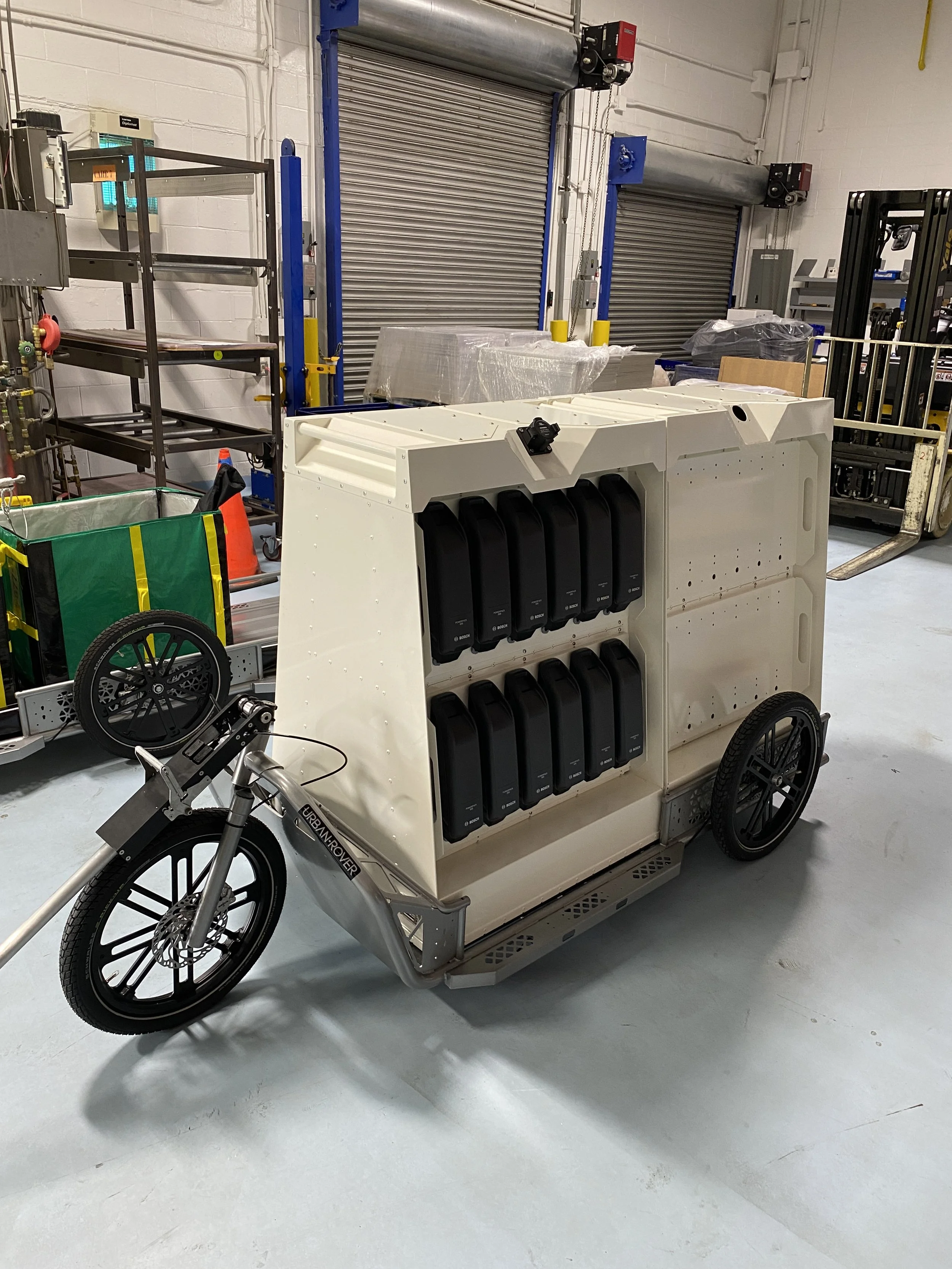
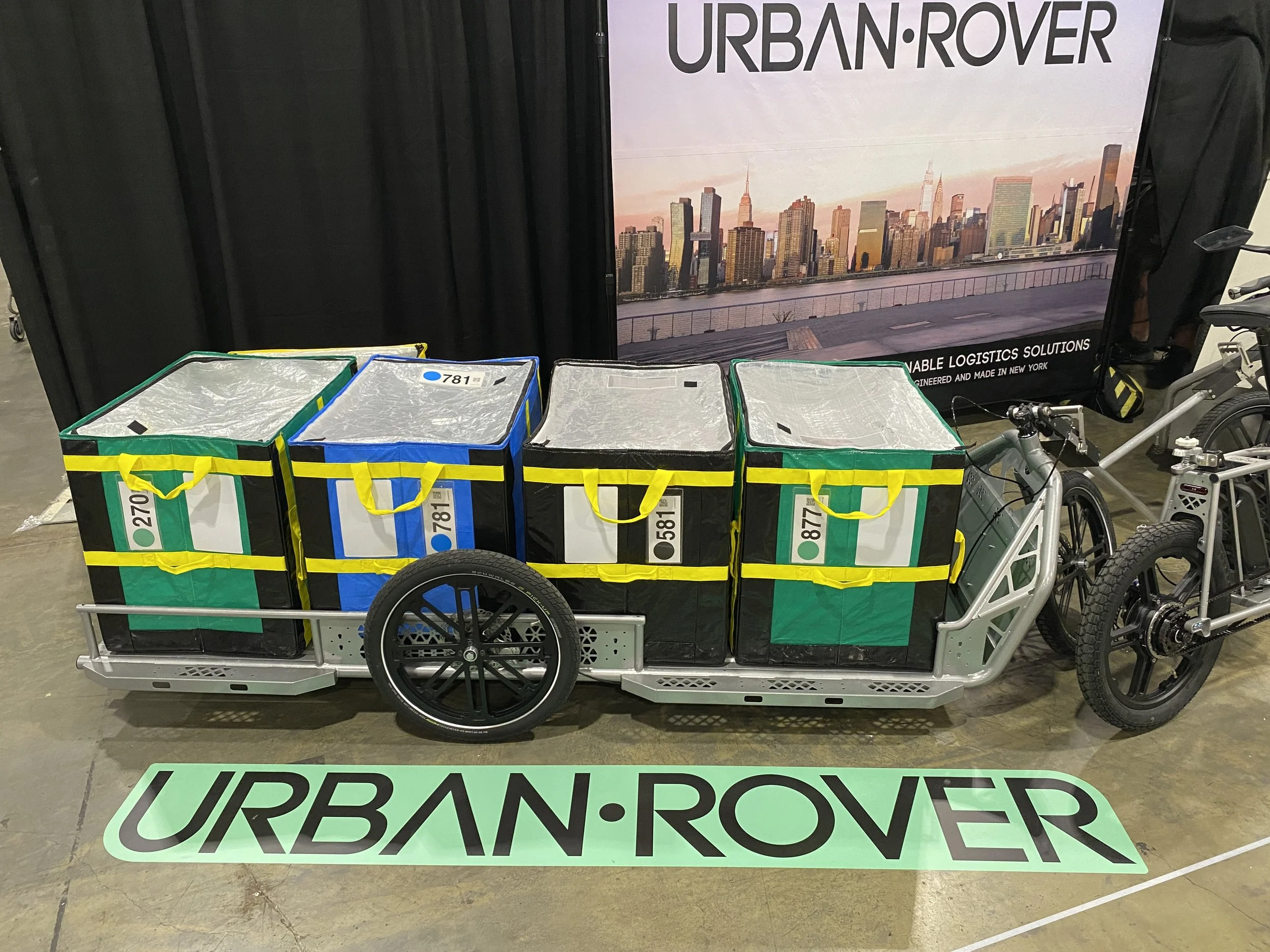
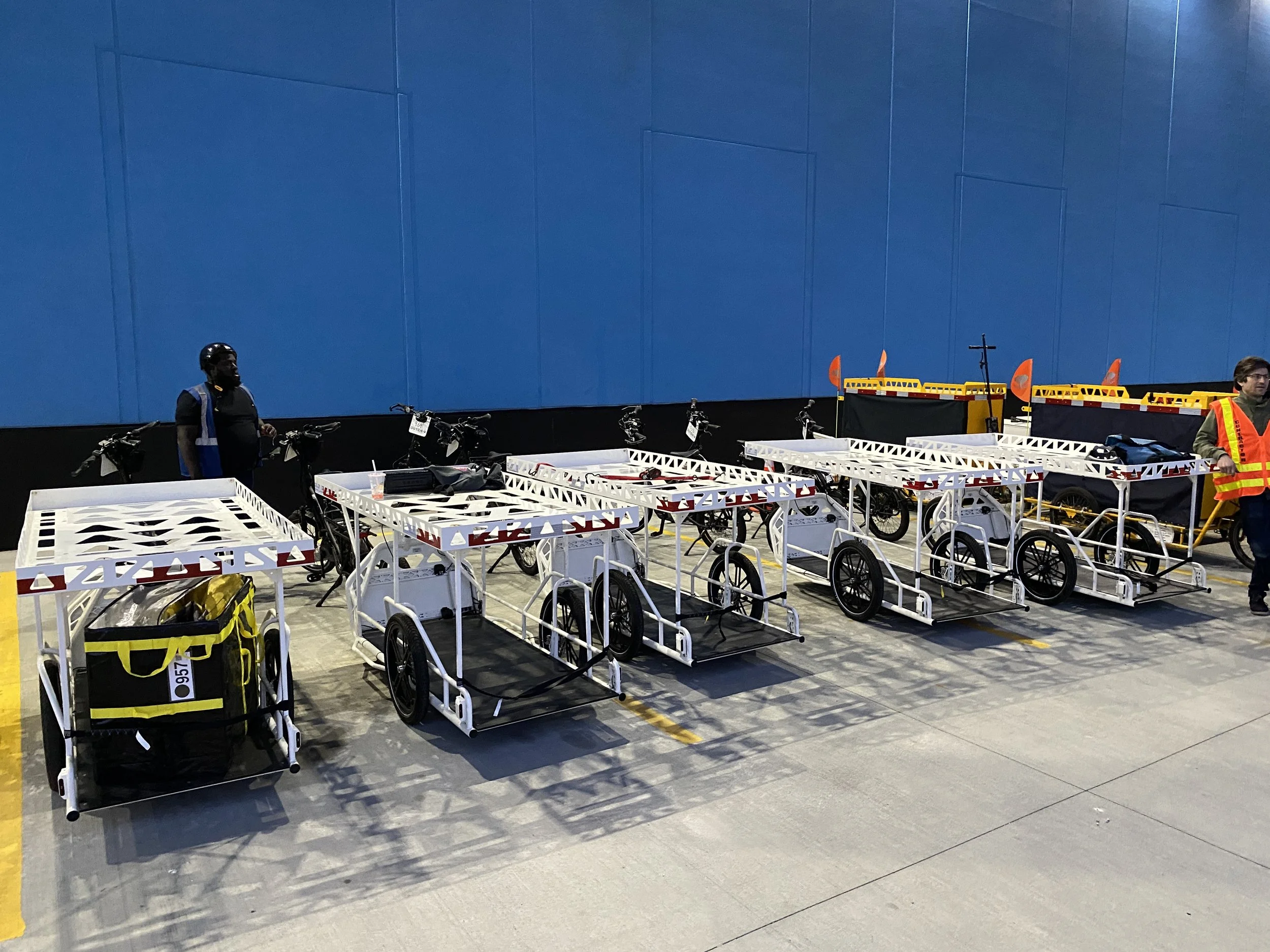
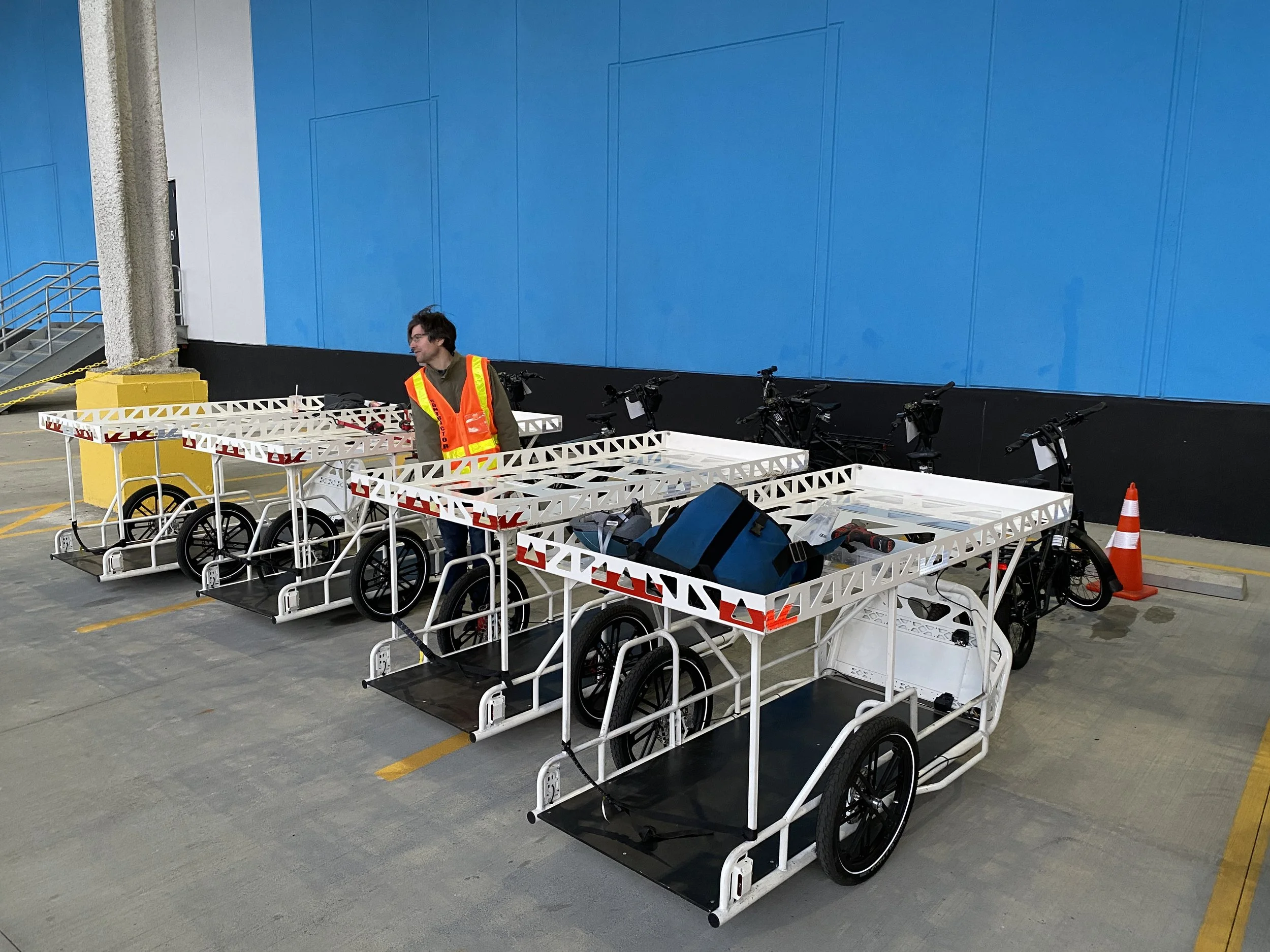
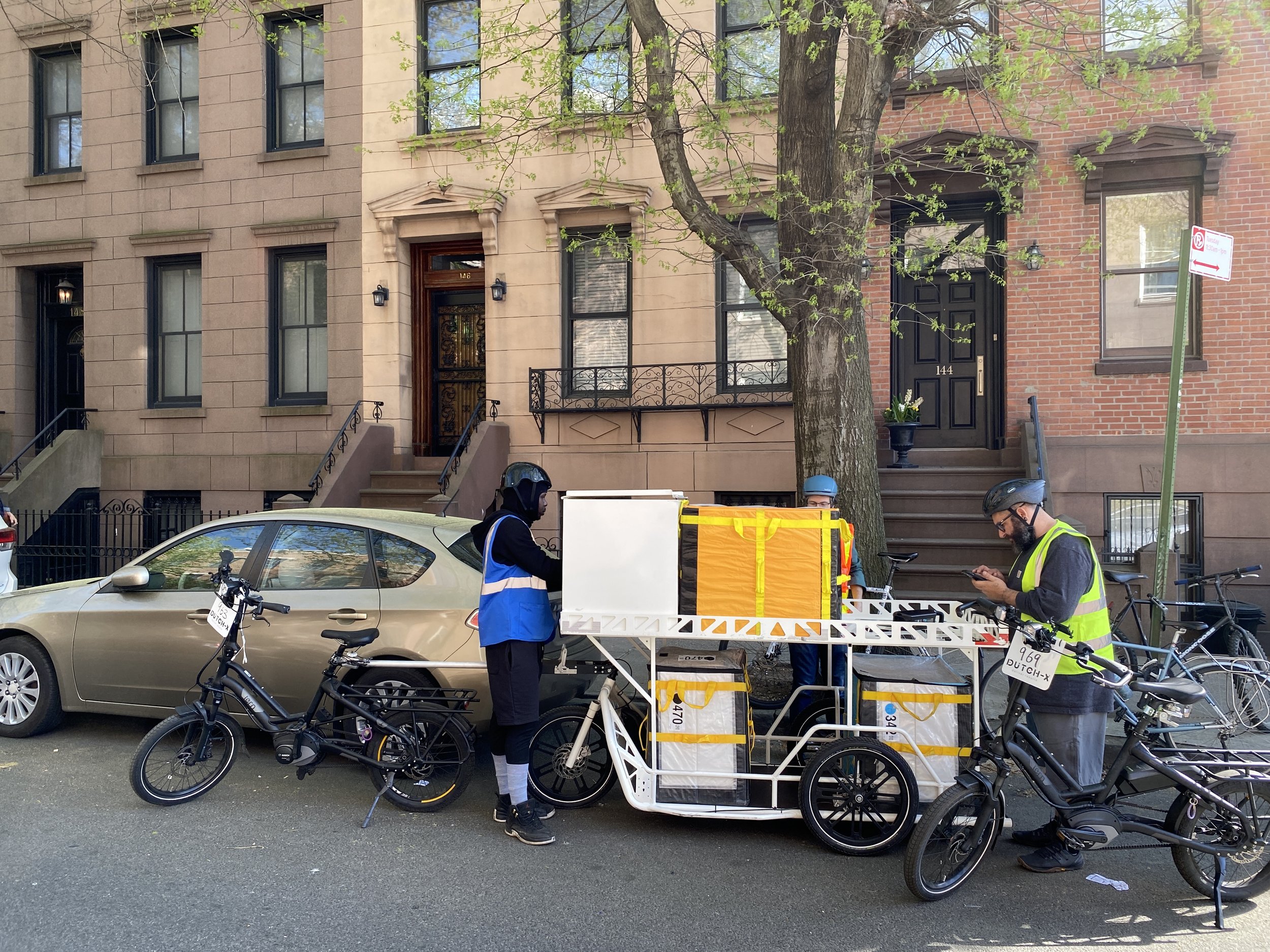
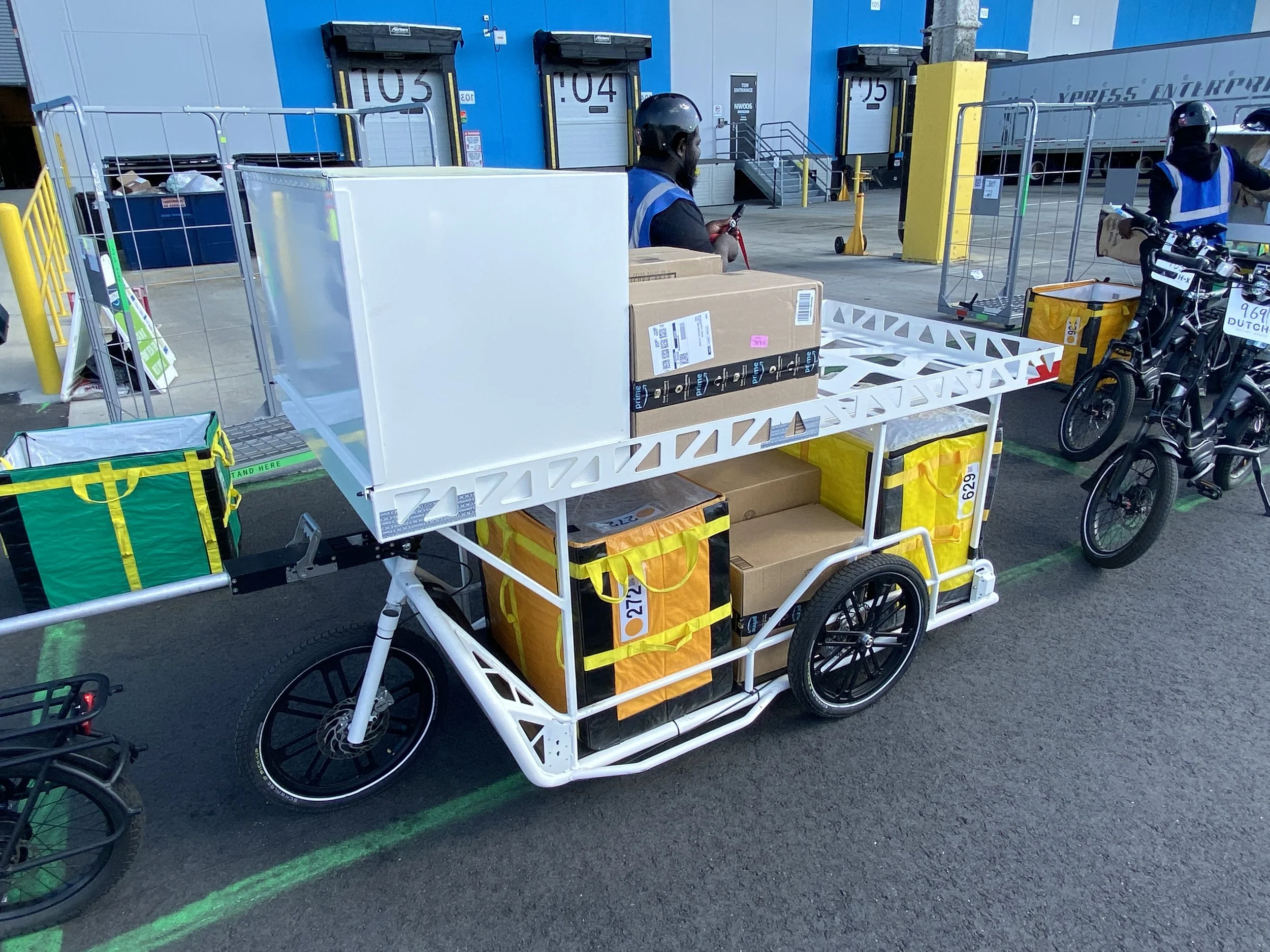
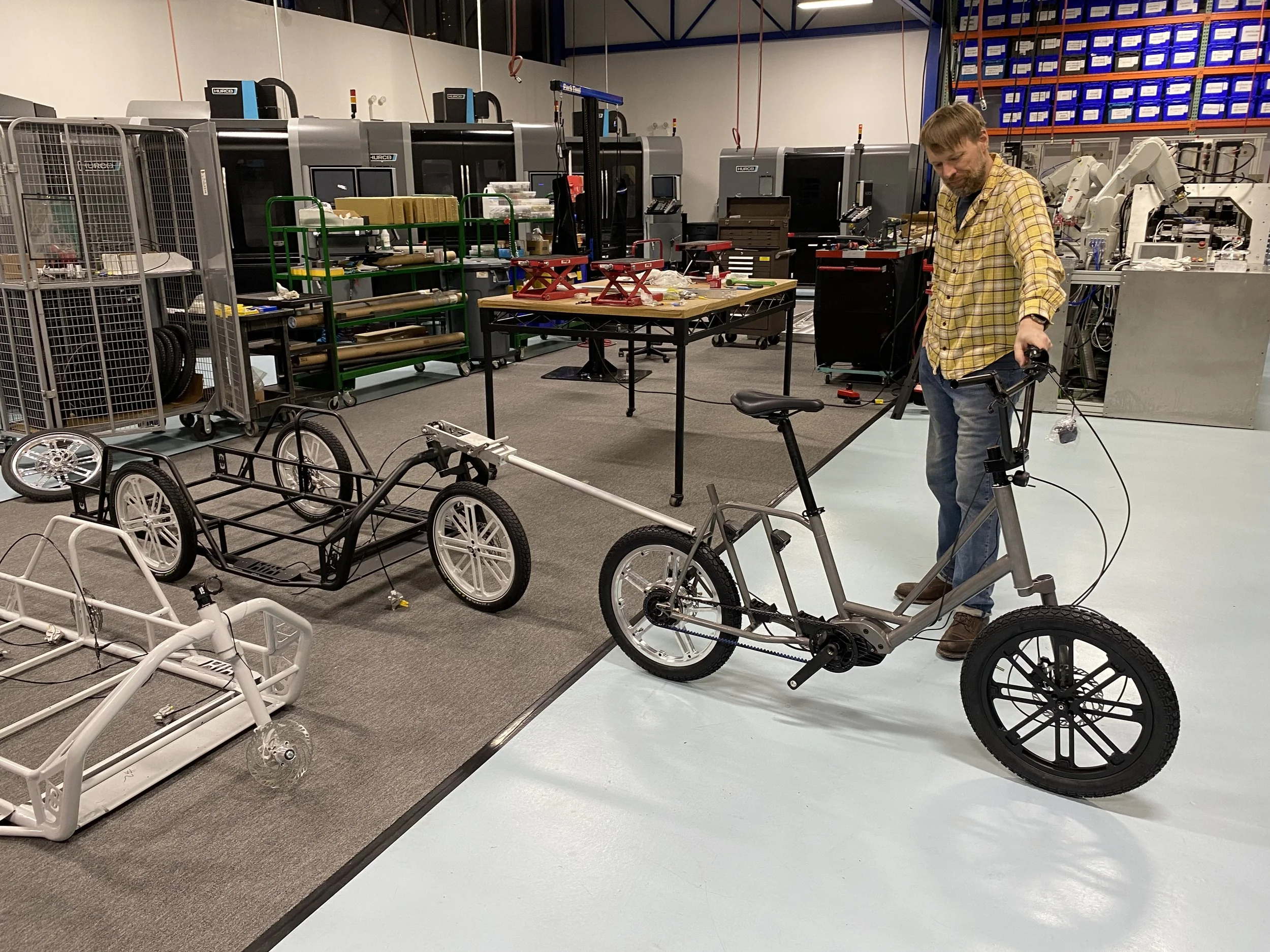
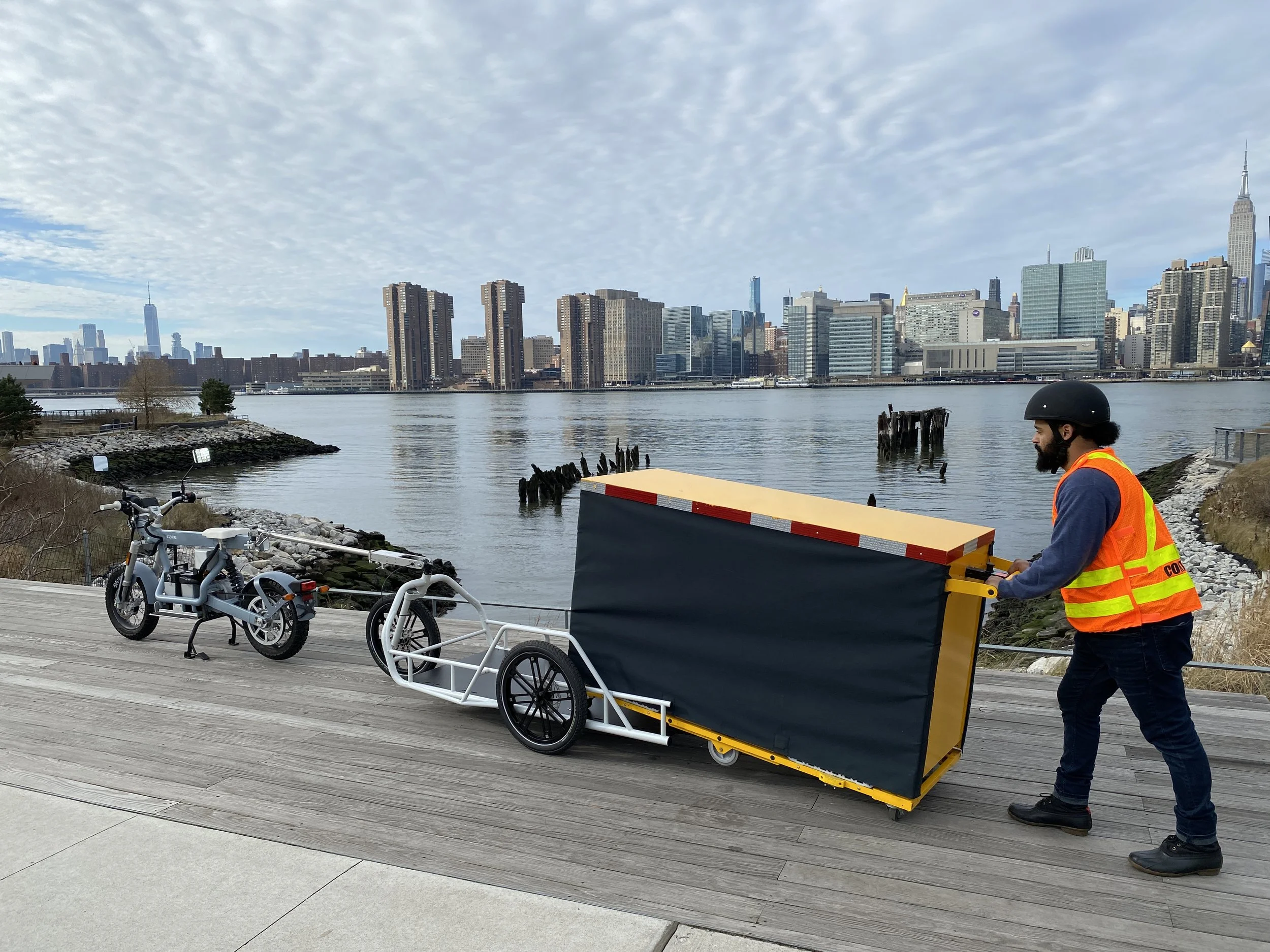
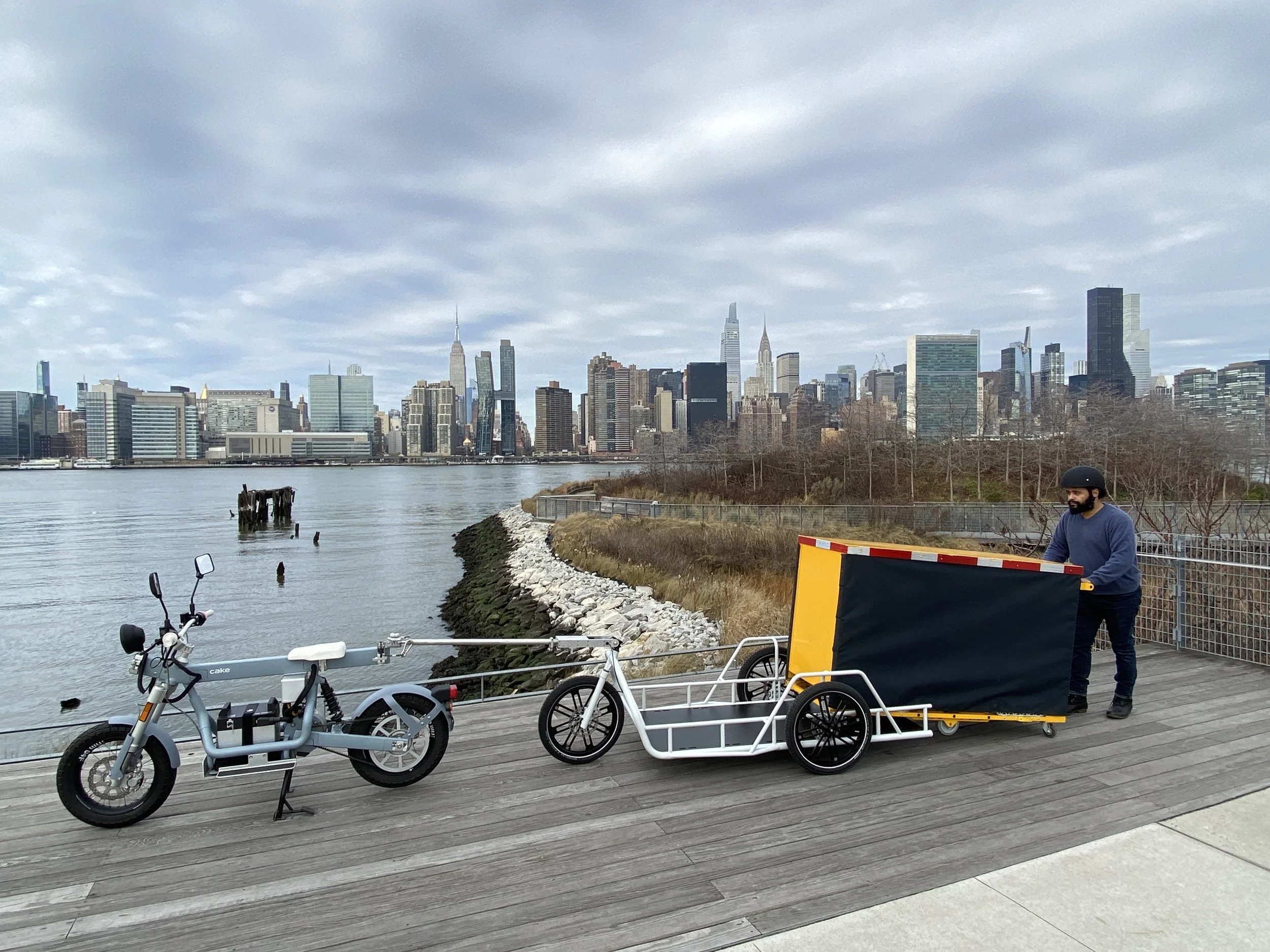
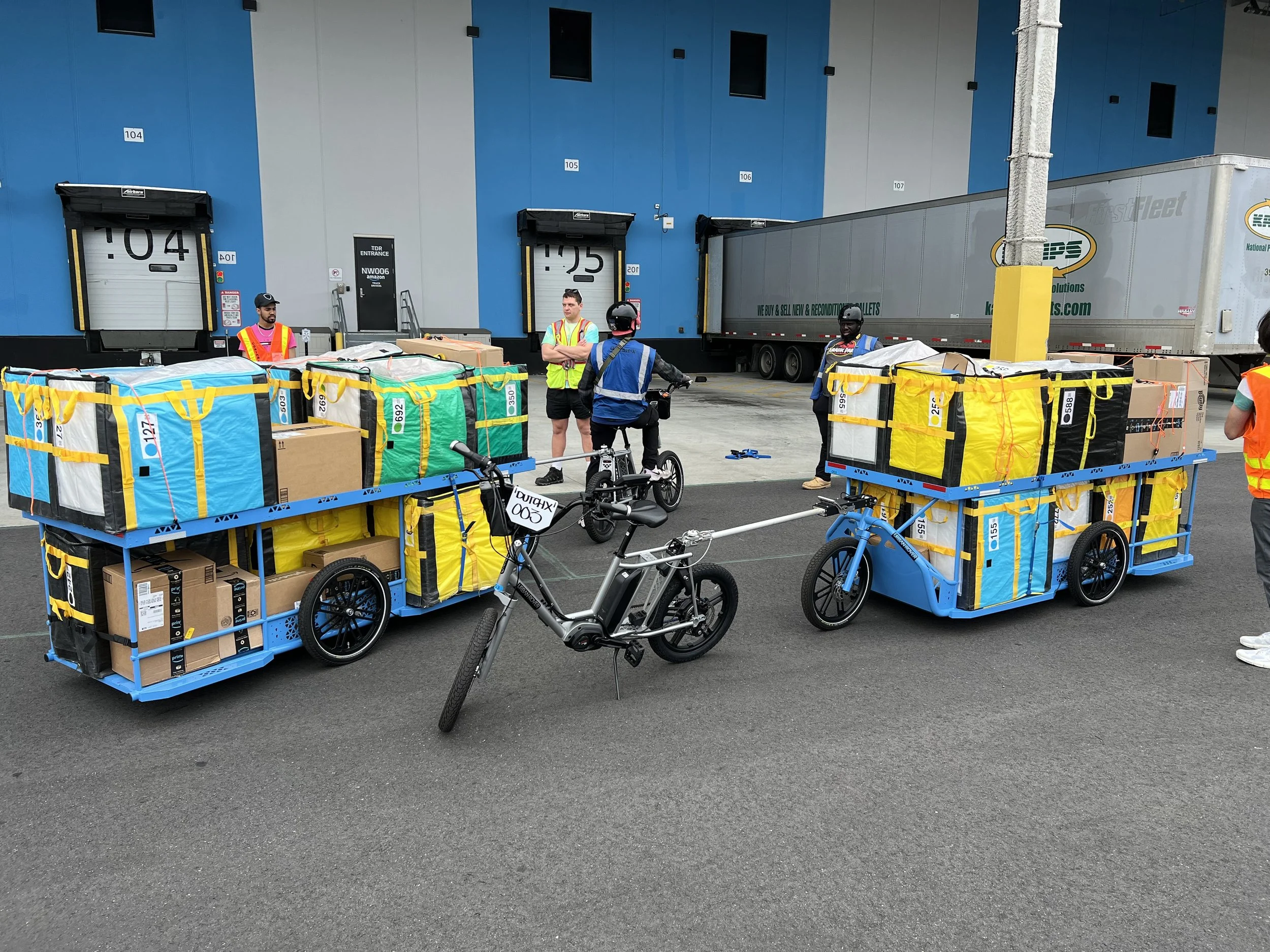
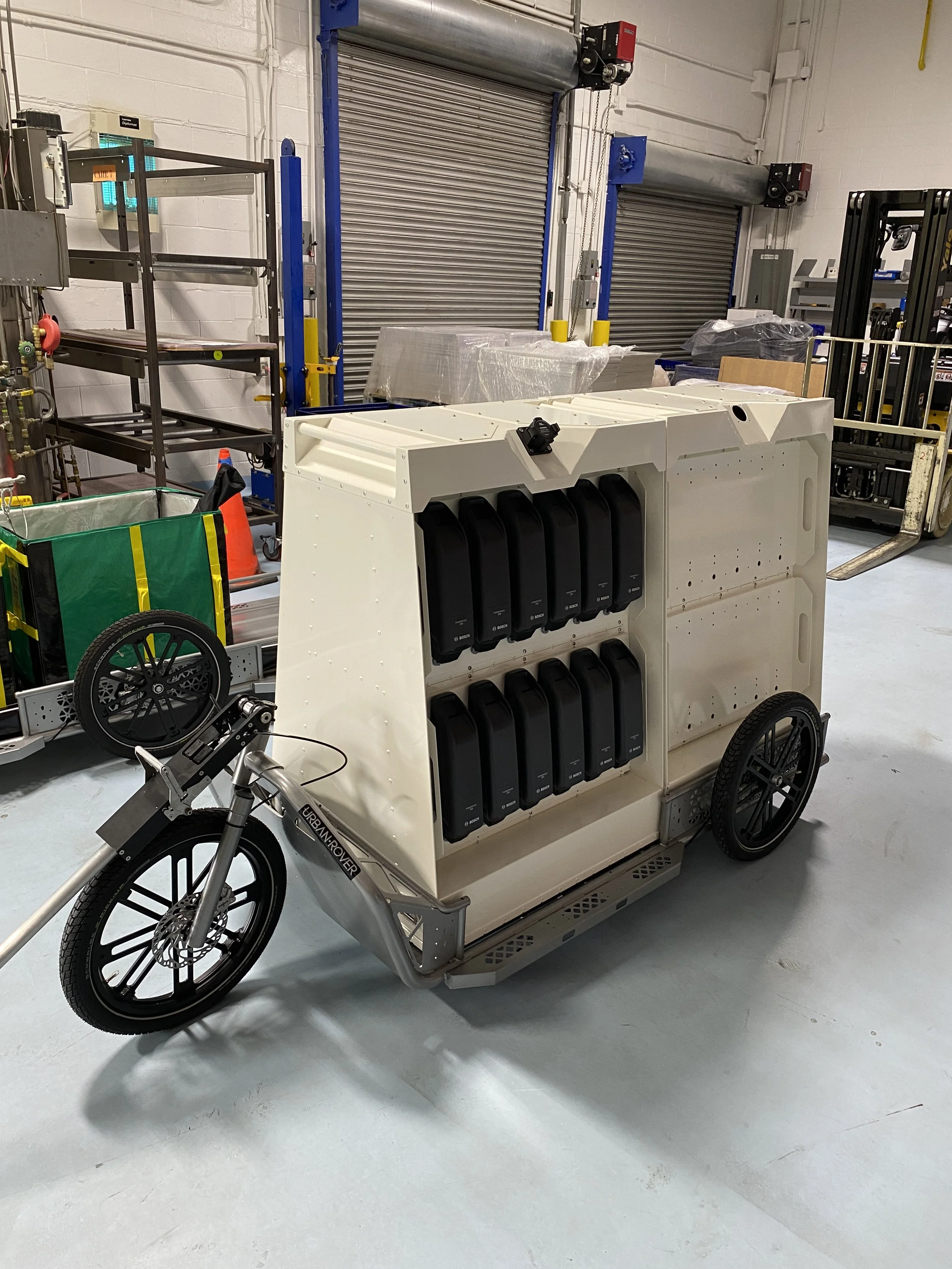
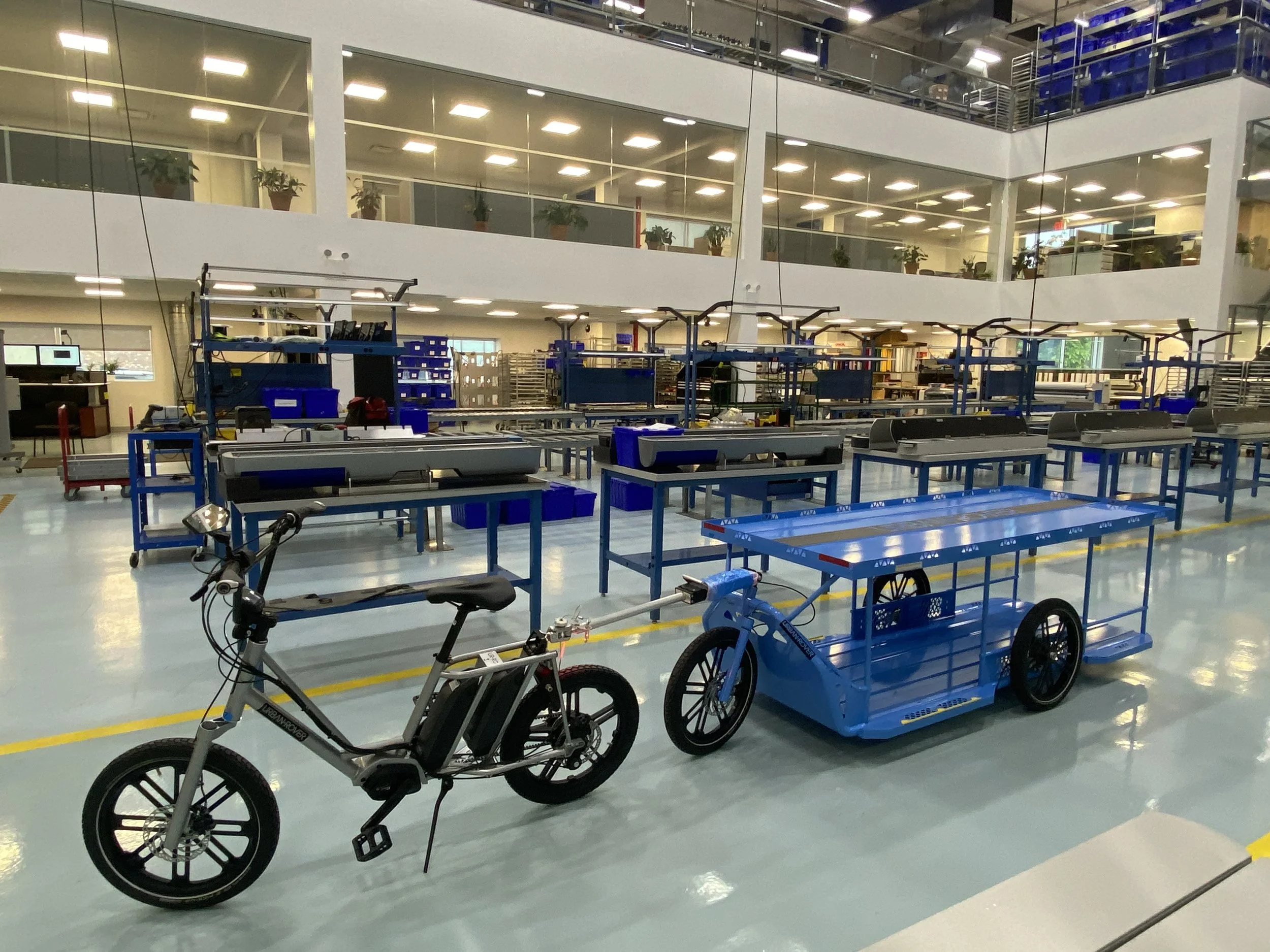
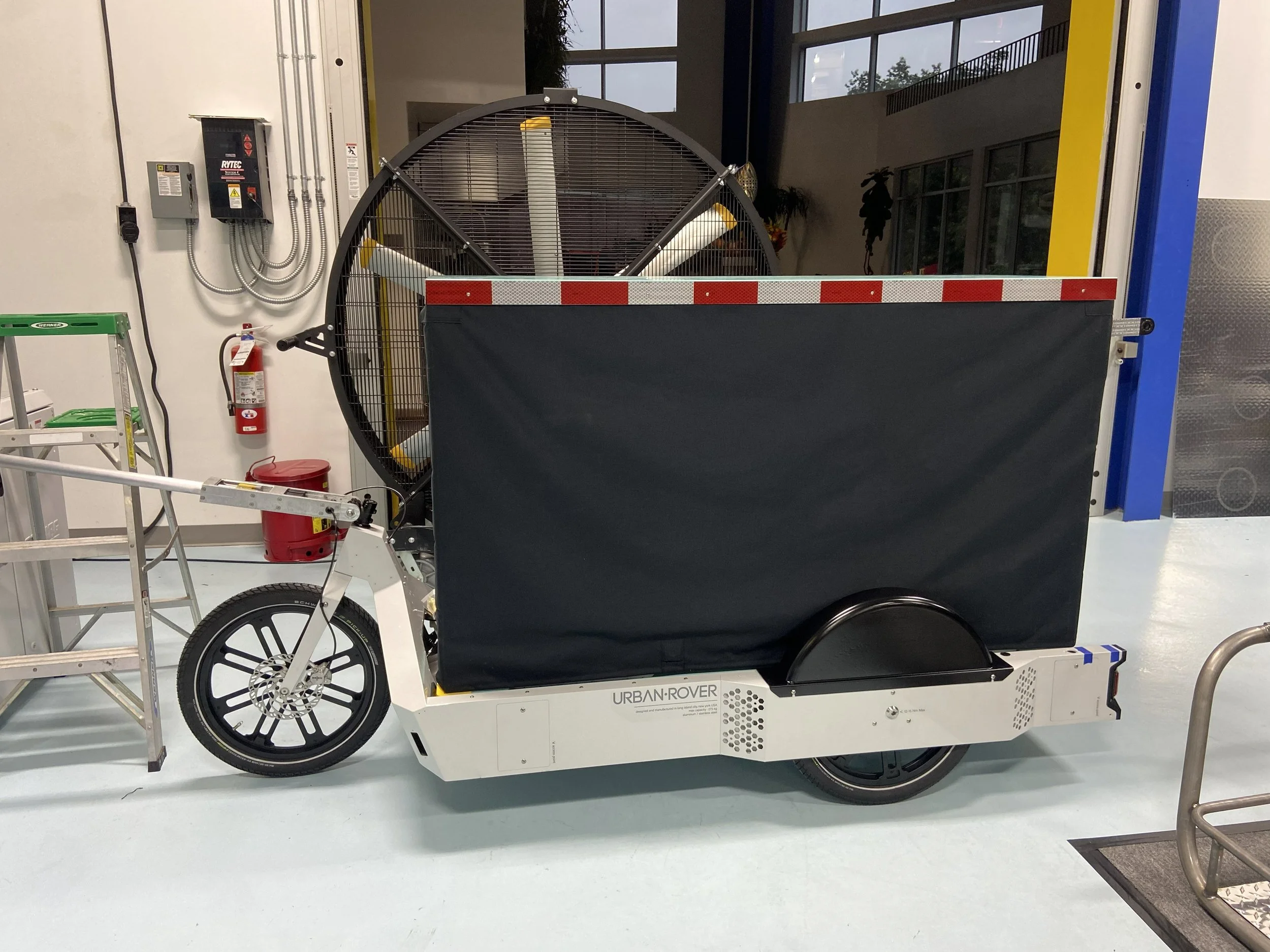
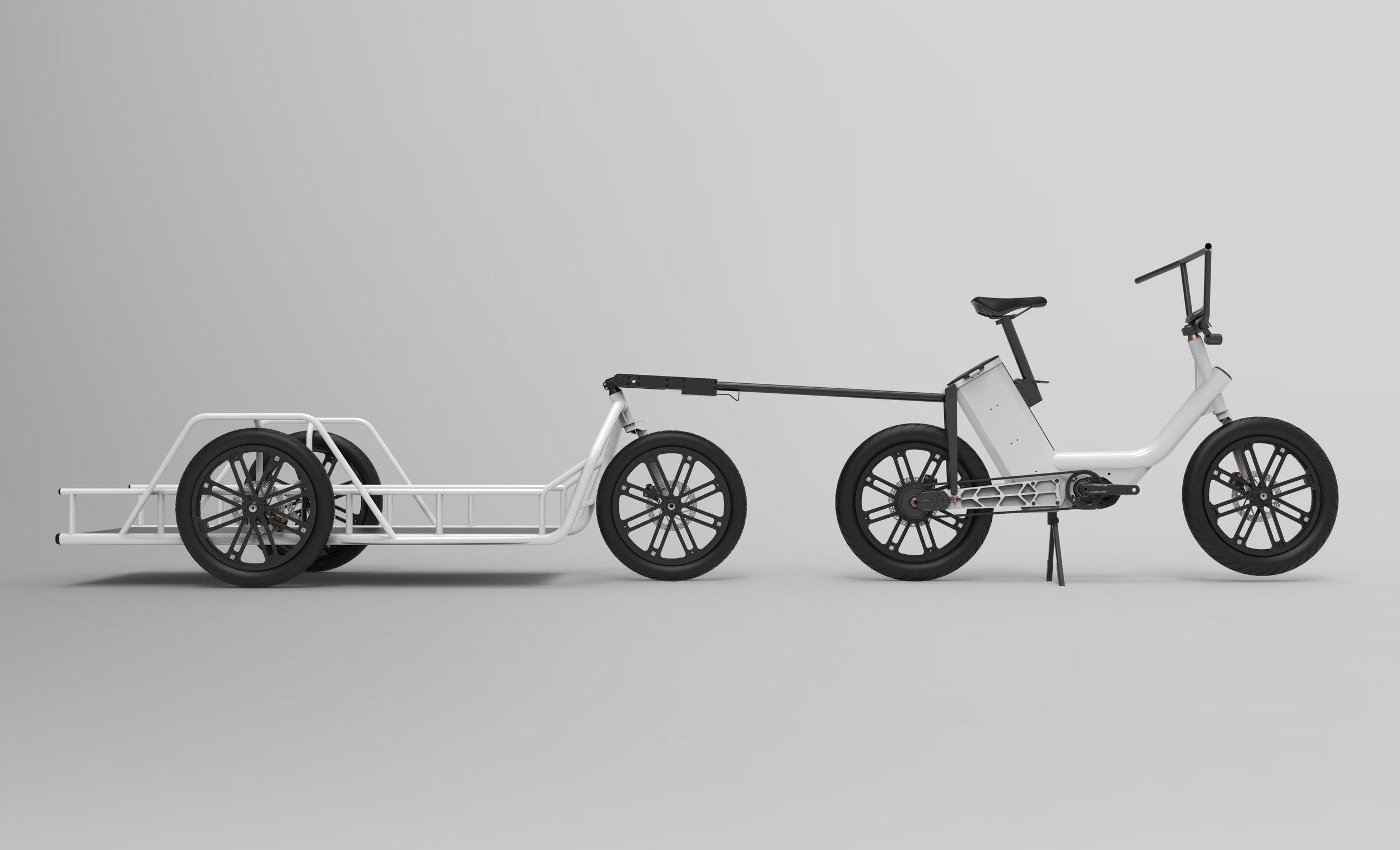
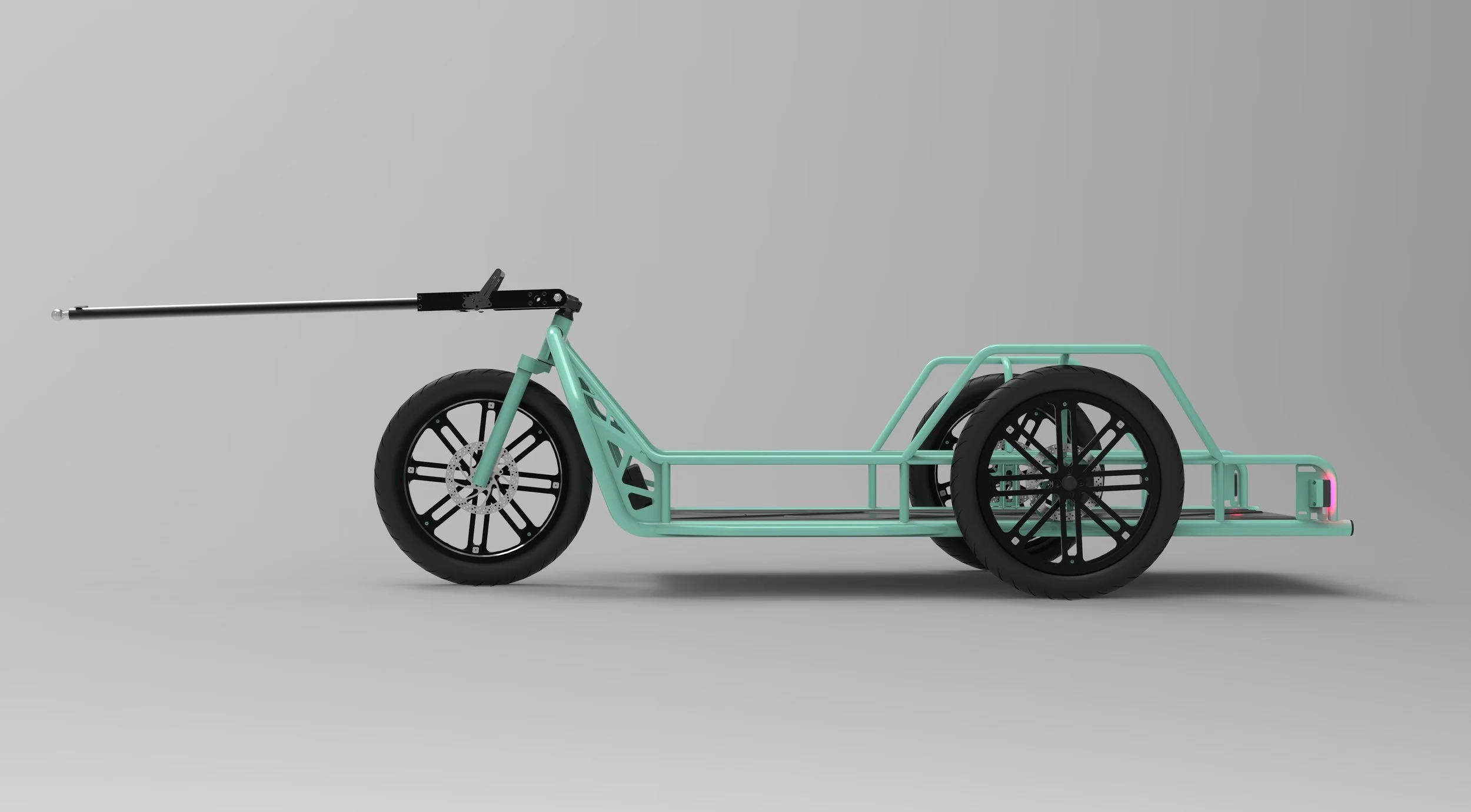
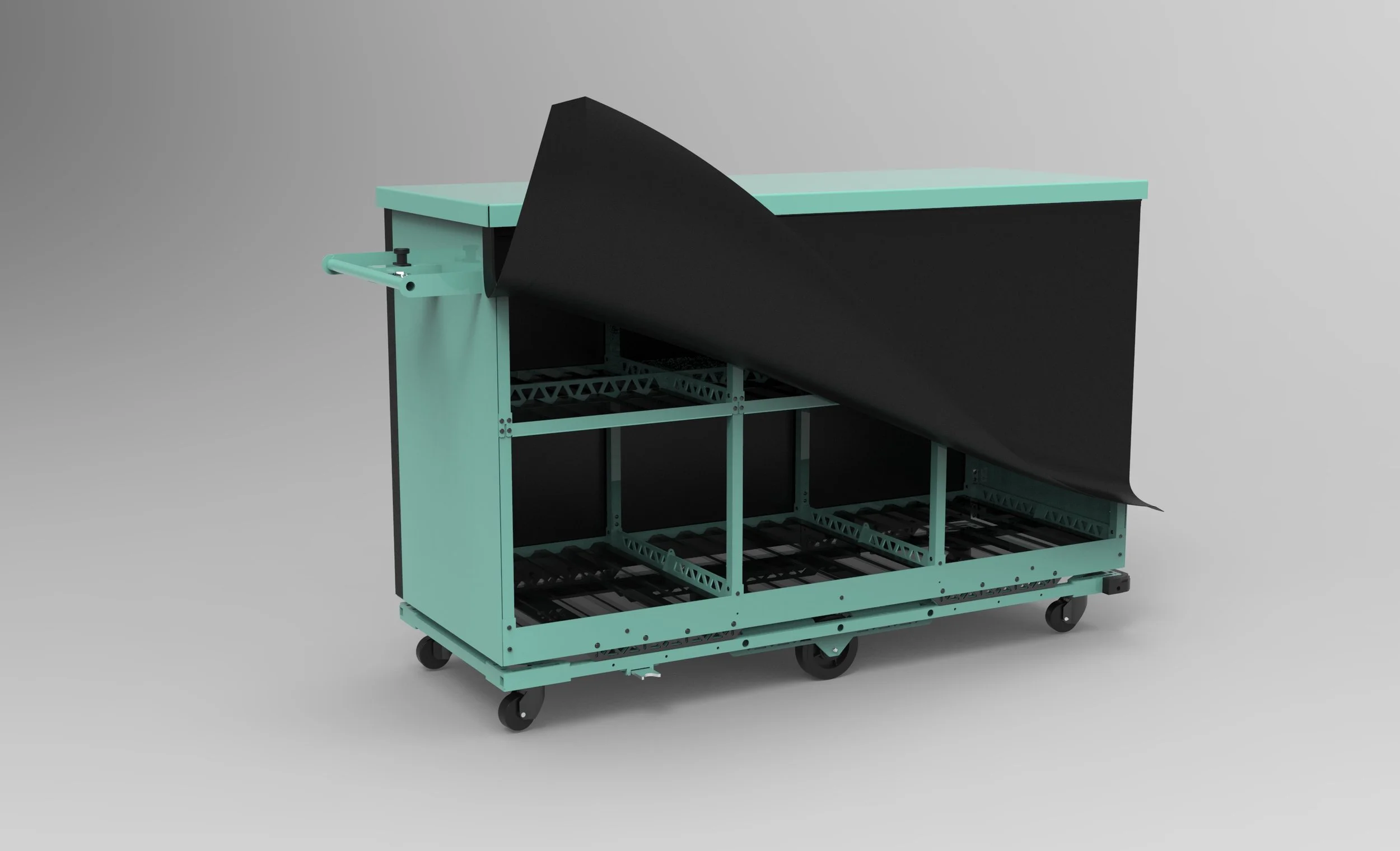
The goal was to help reduce urban congestion and support cleaner last-mile delivery. Through pilot programs with Amazon, we tested food and parcel delivery solutions throughout Manhattan and Brooklyn. Rather than designing a single vehicle, we developed a complete delivery ecosystem consisting of an e-bike, a smart trailer, and a roll-on/roll-off cargo cart.
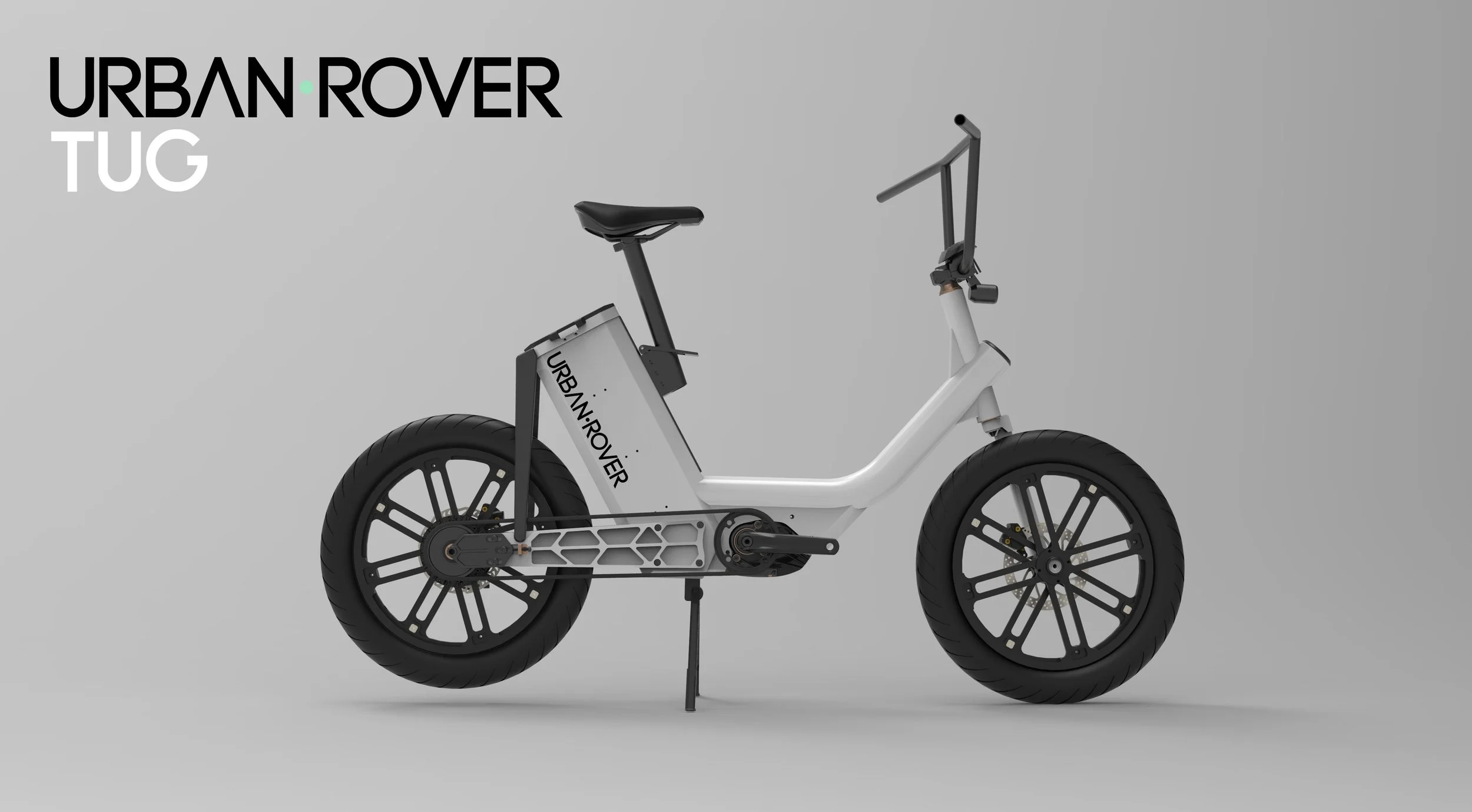
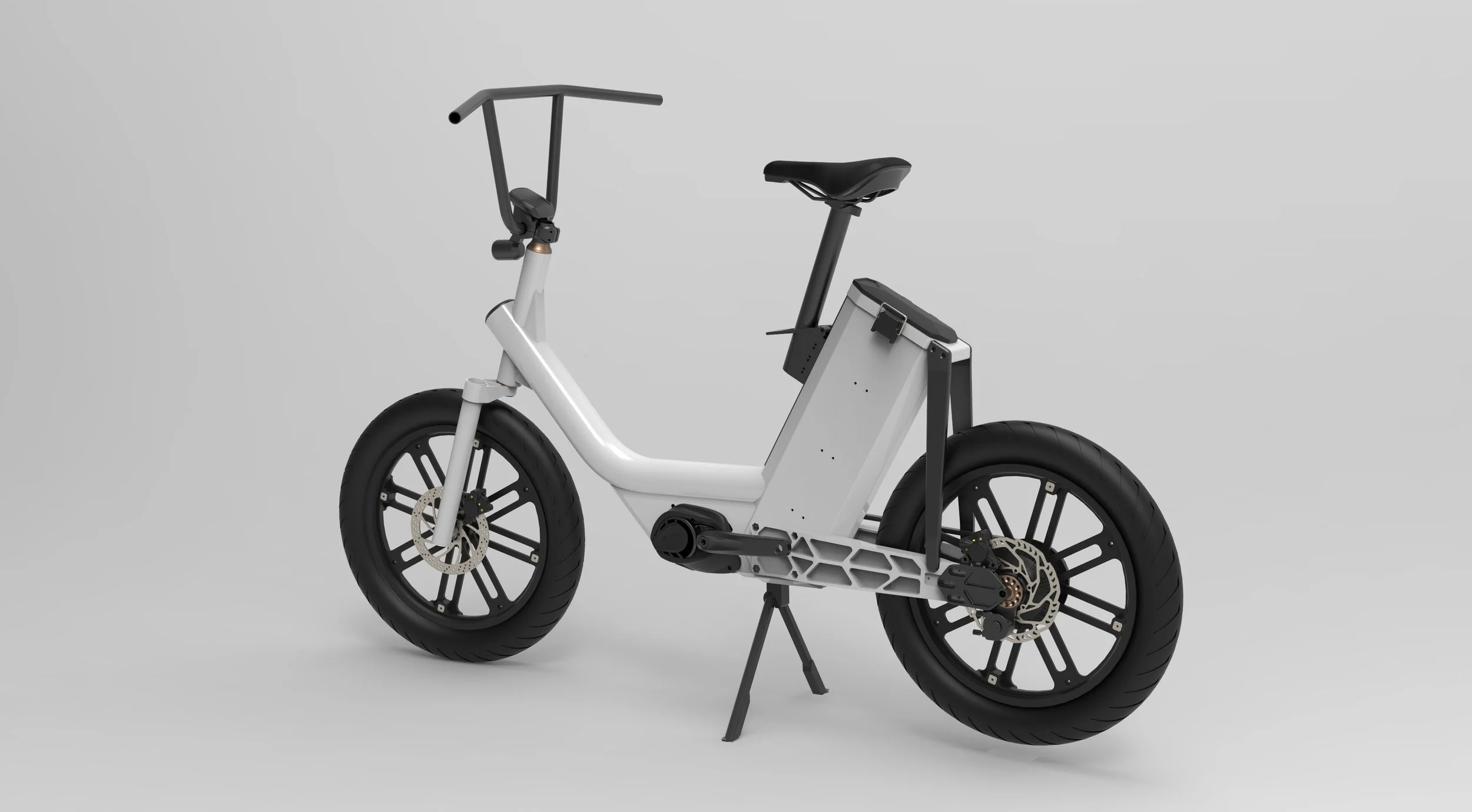
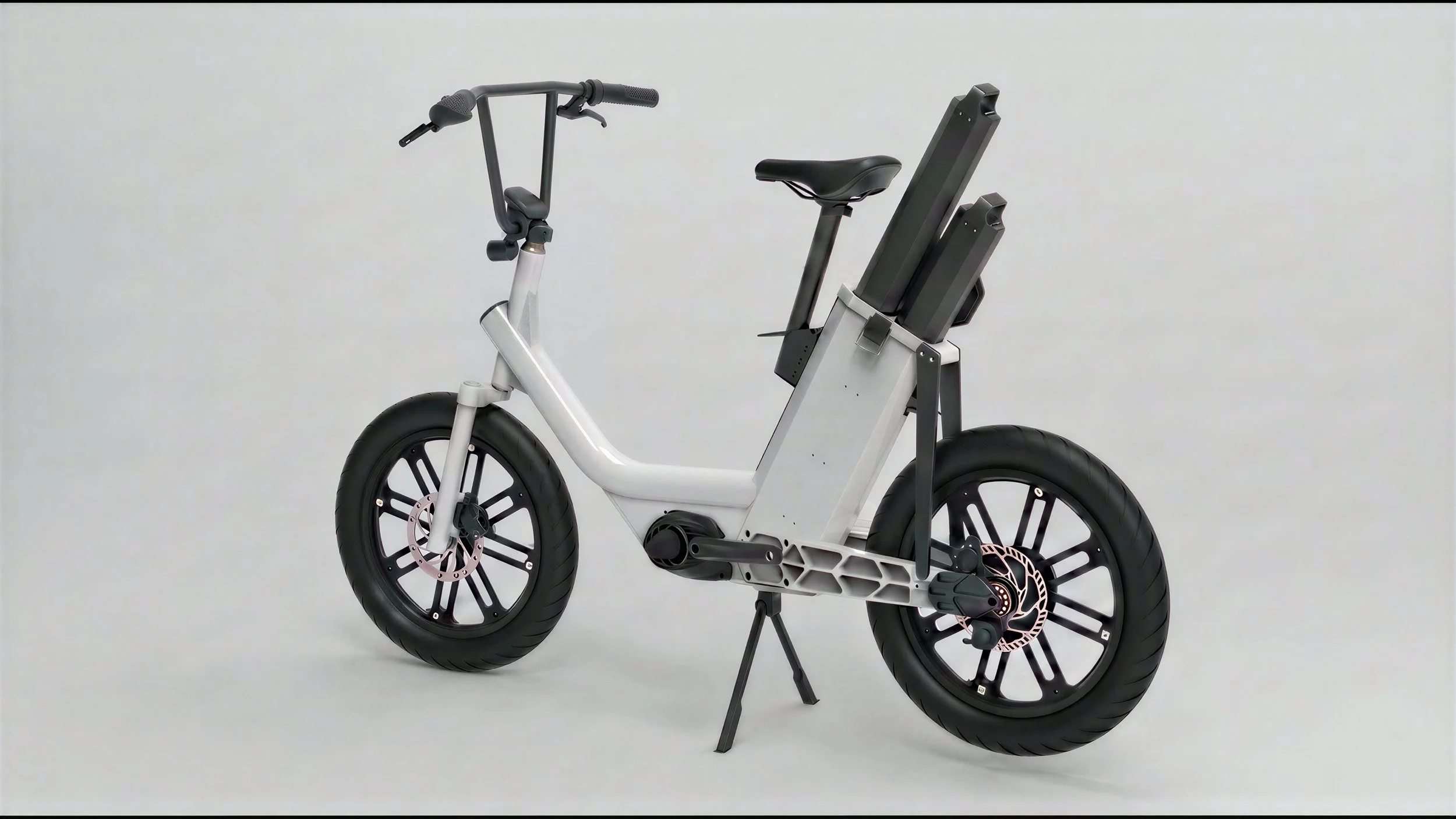
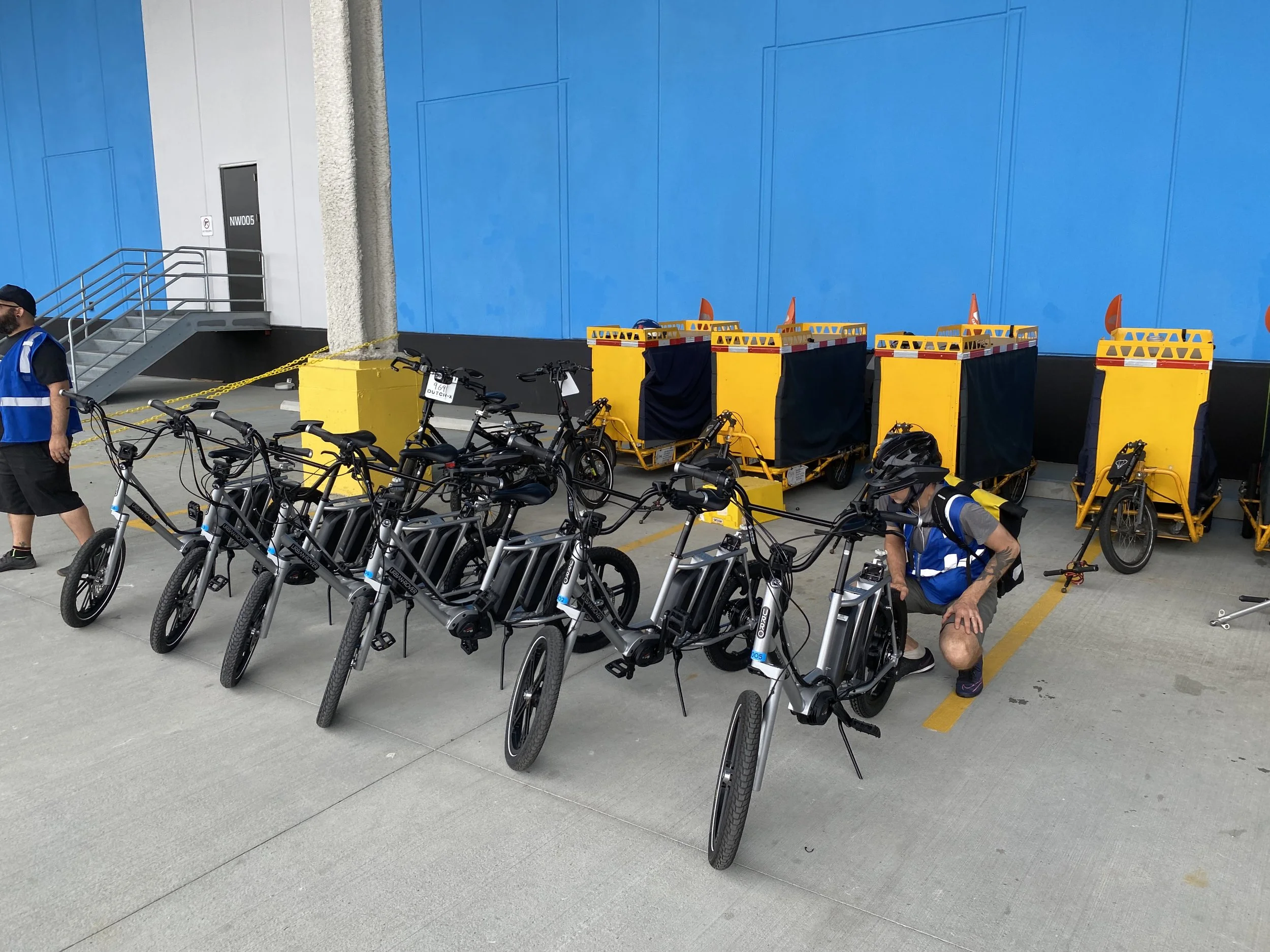
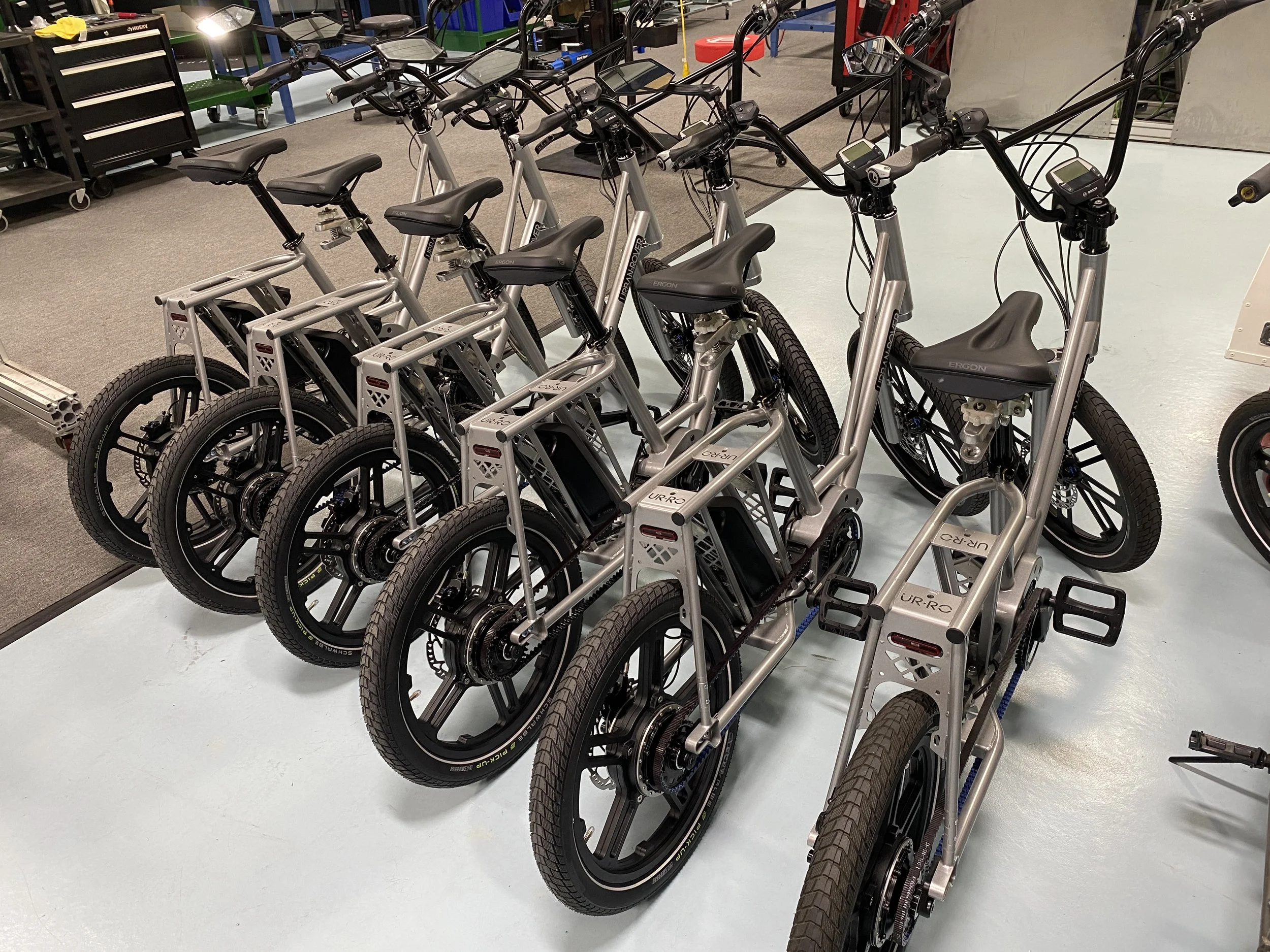
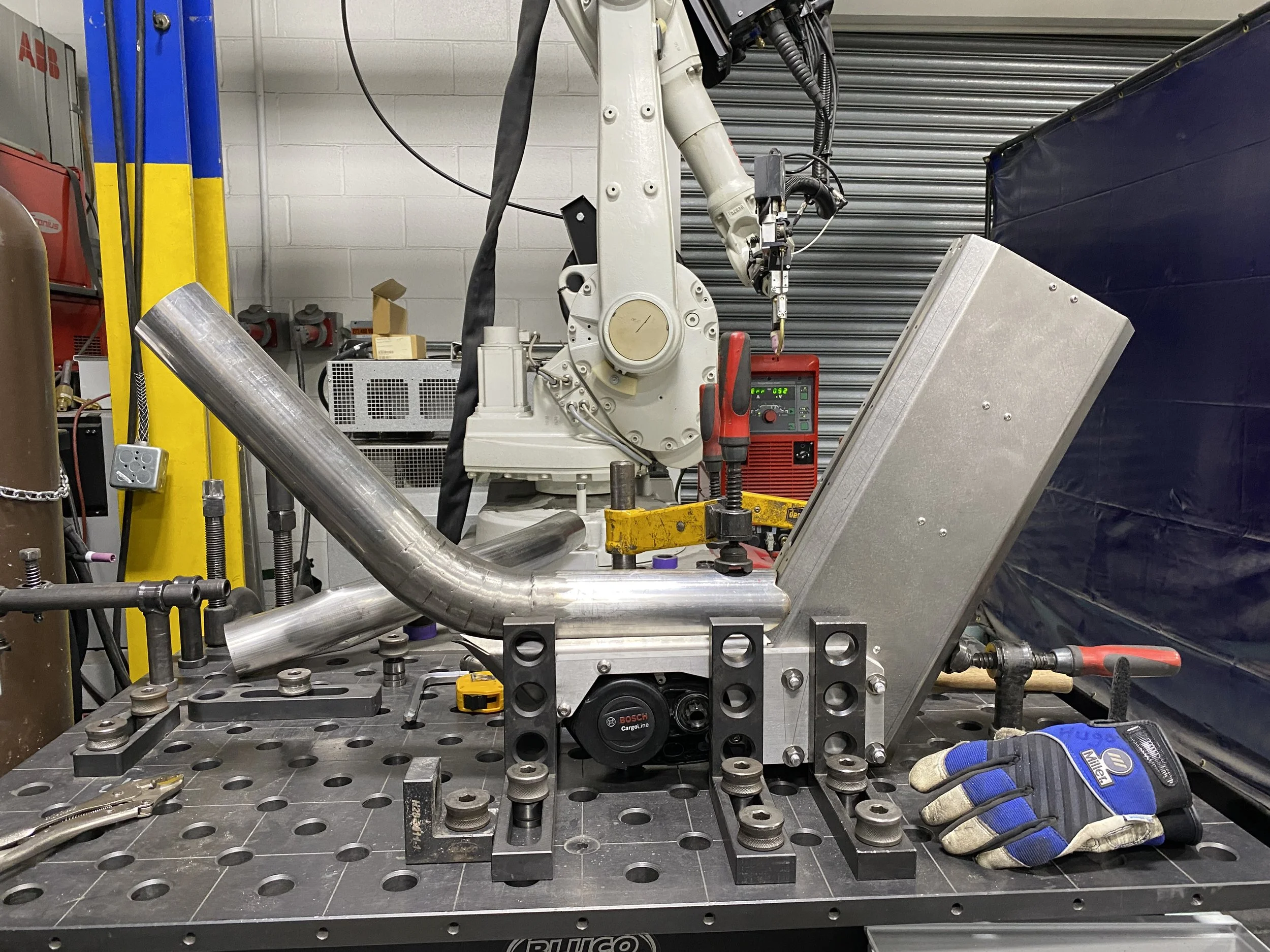
The e-bike—named the “TUG”—was engineered specifically for pulling heavy loads. It combined a Bosch drive system, a low-geared 3X3 internal hub, and two onboard batteries. Its low step-through frame and approachable geometry made it stable, intuitive, and easy to operate for riders with limited e-bike experience.
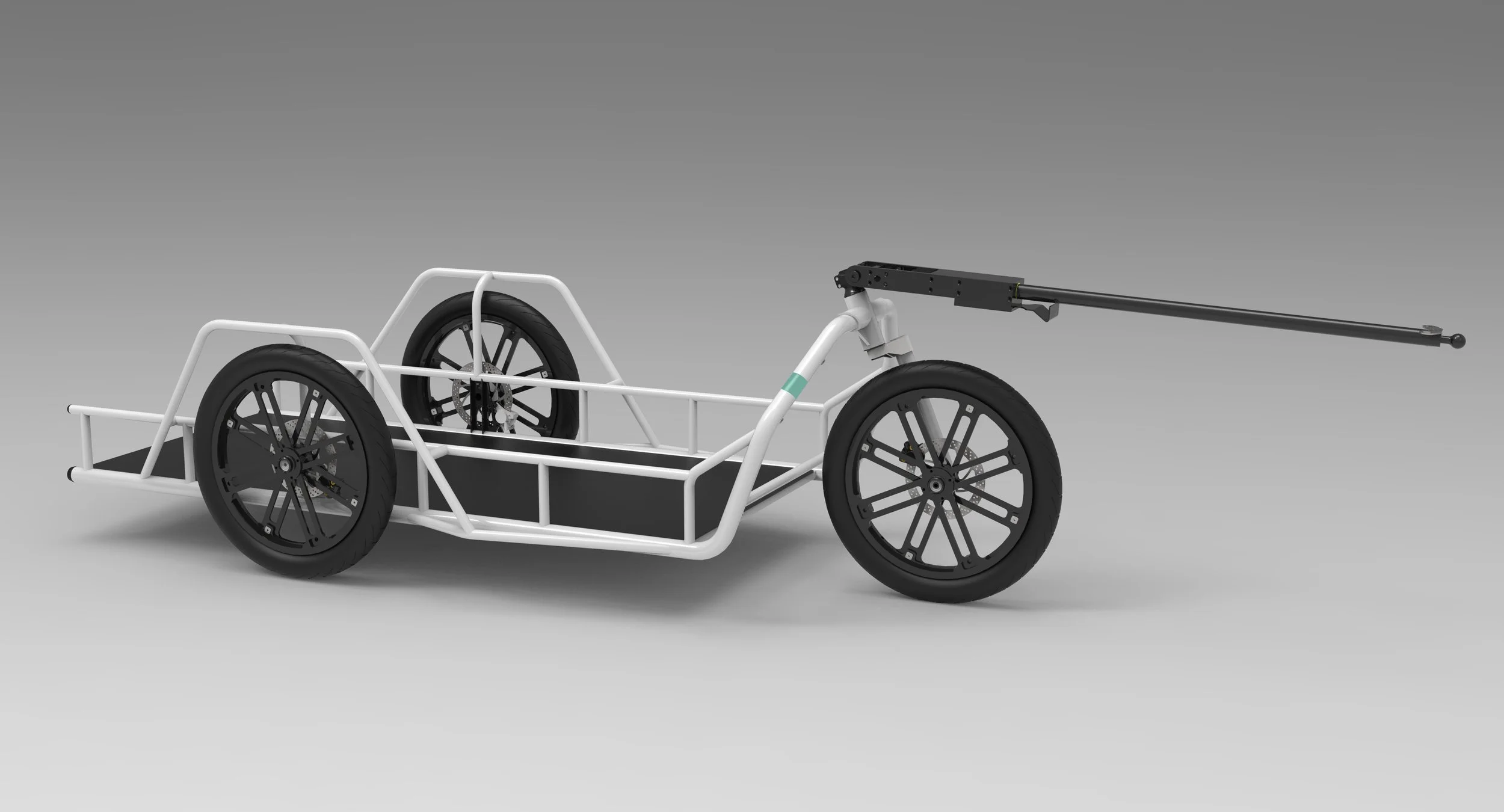
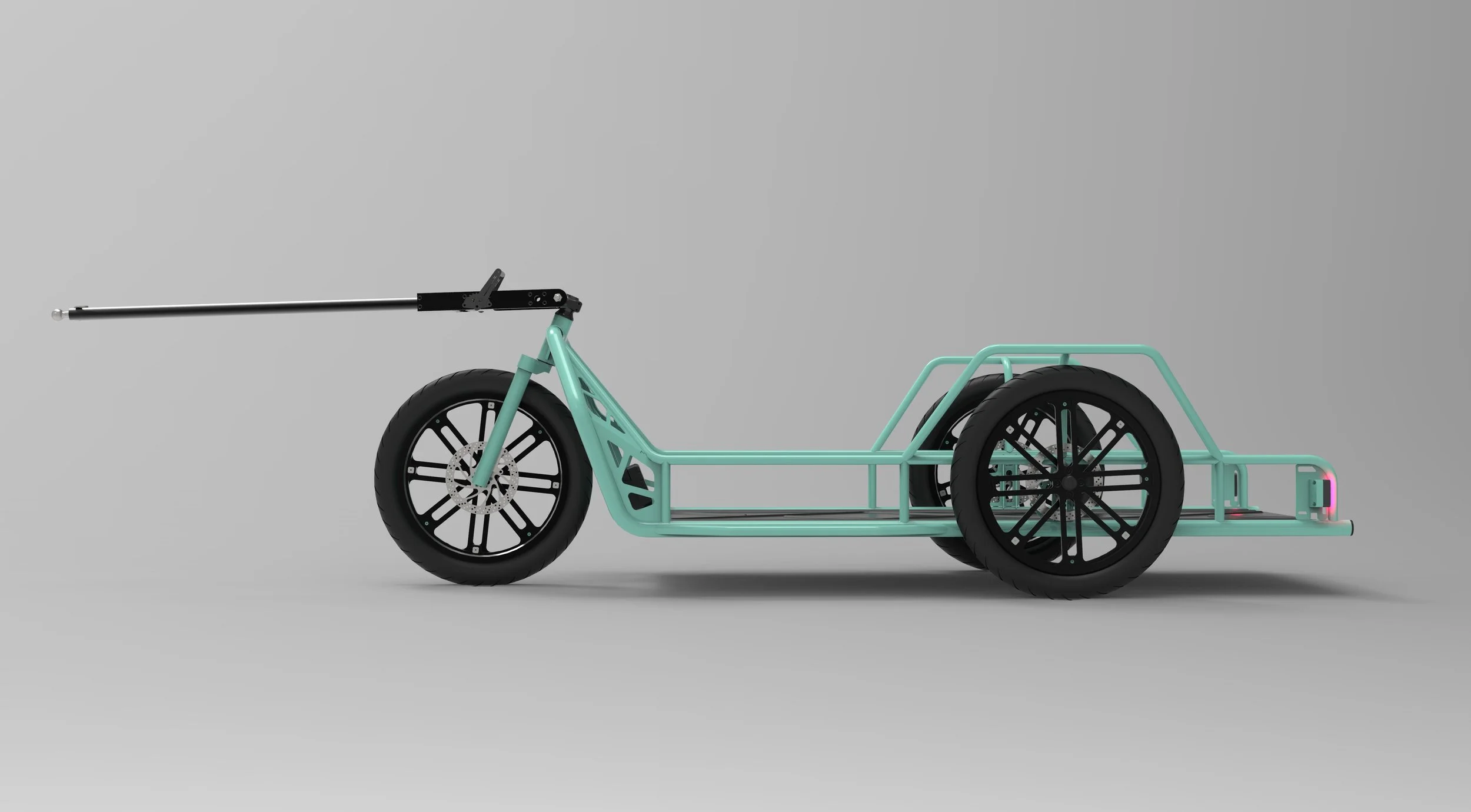
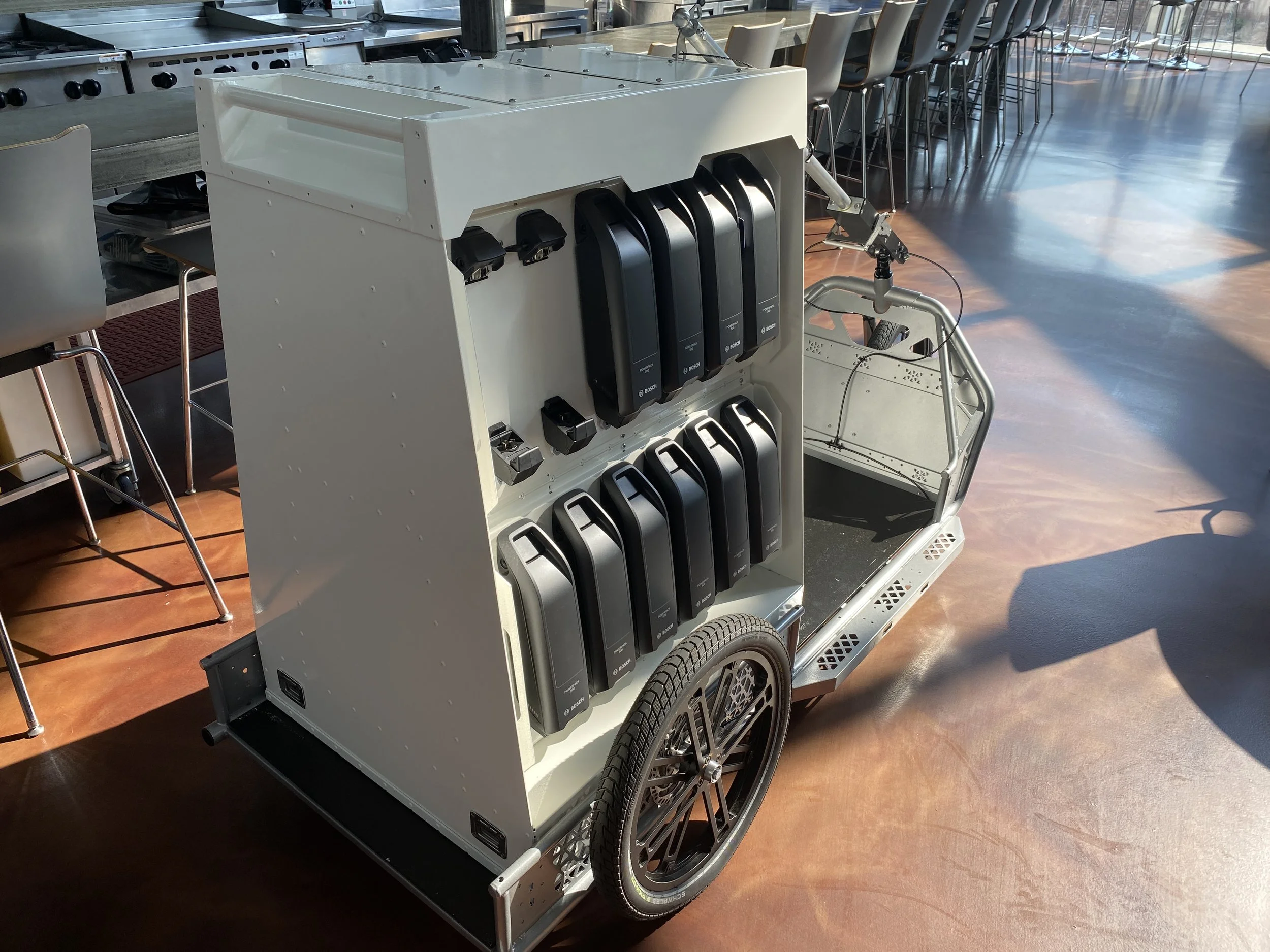
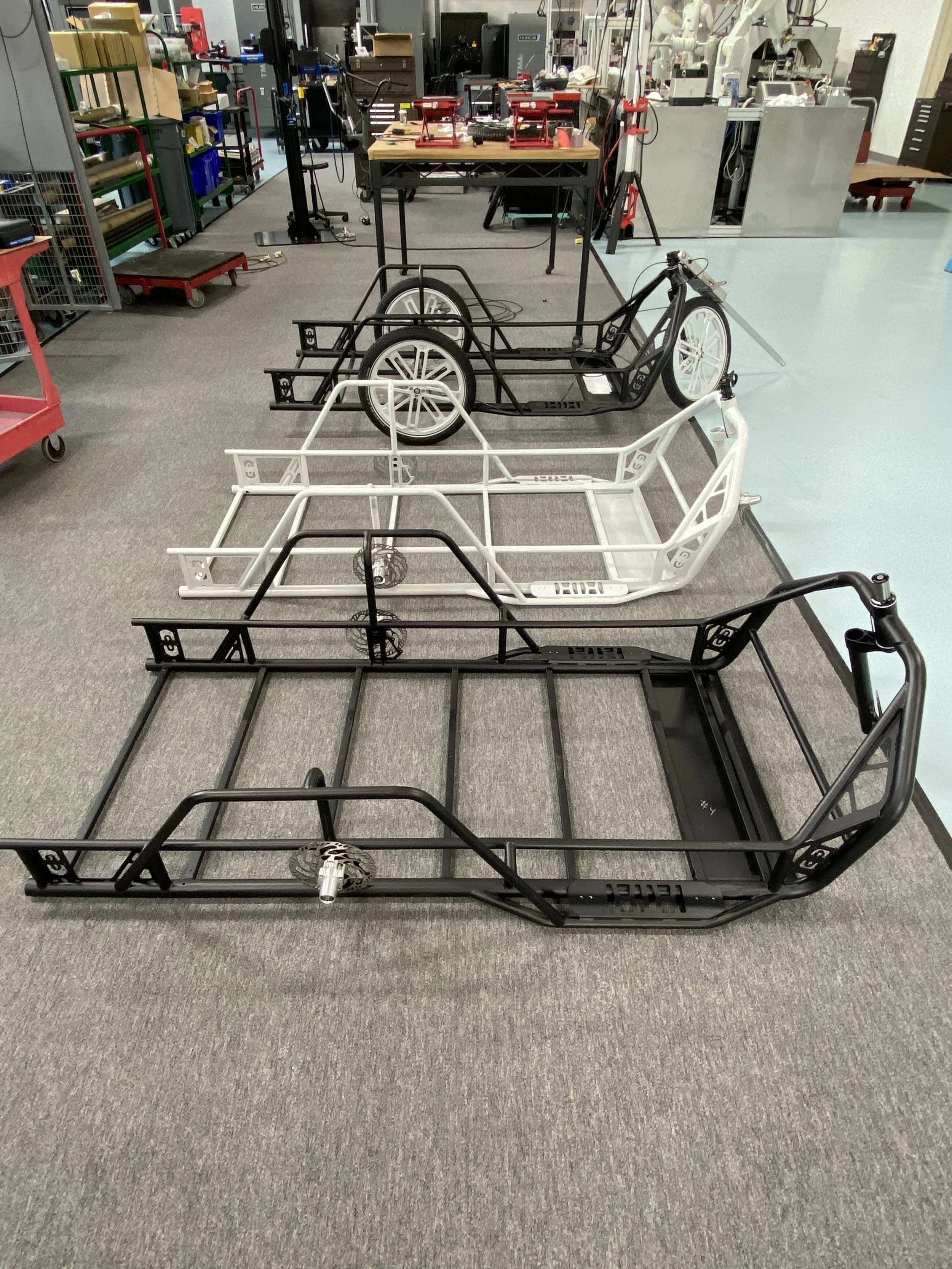
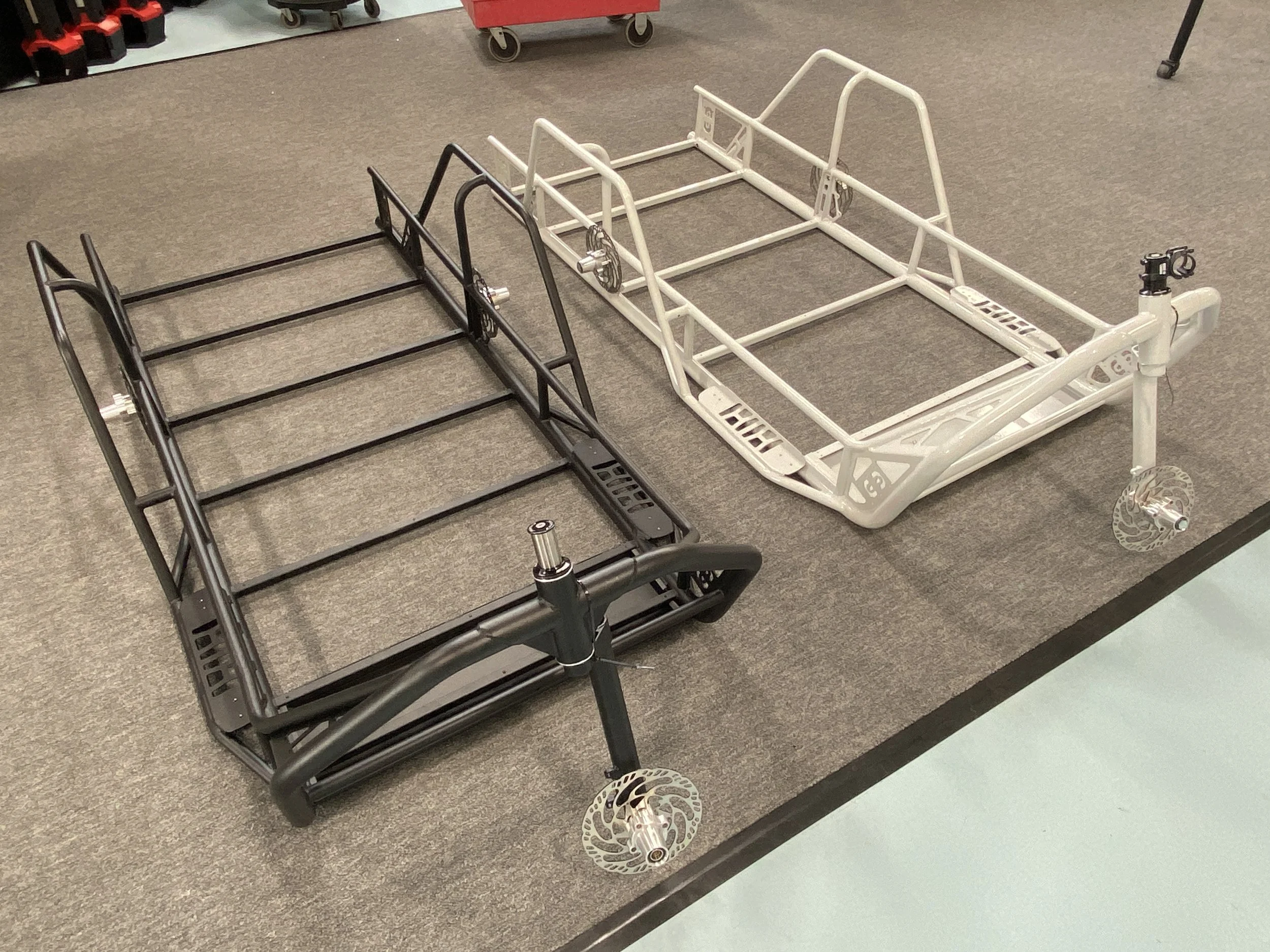
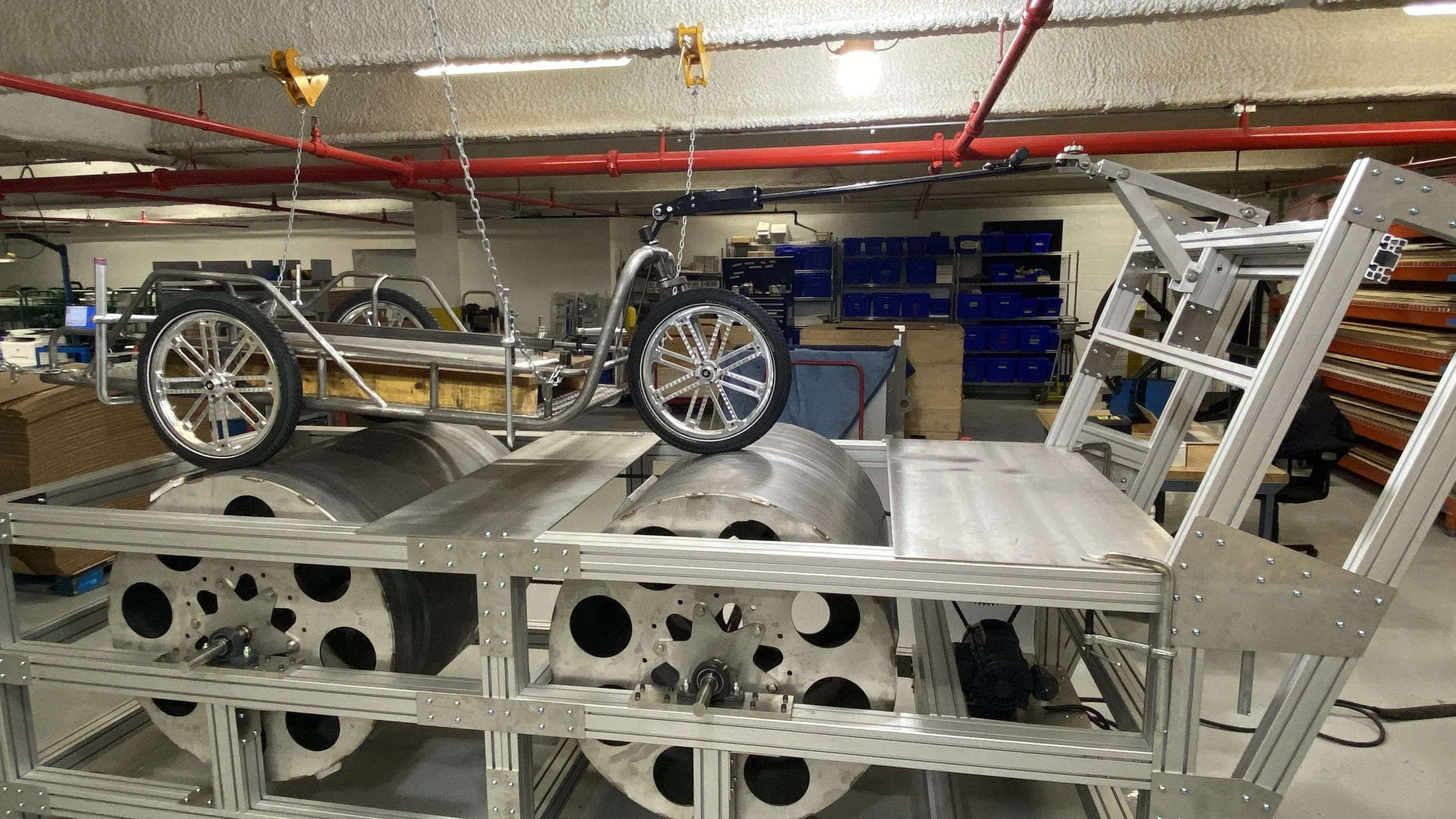
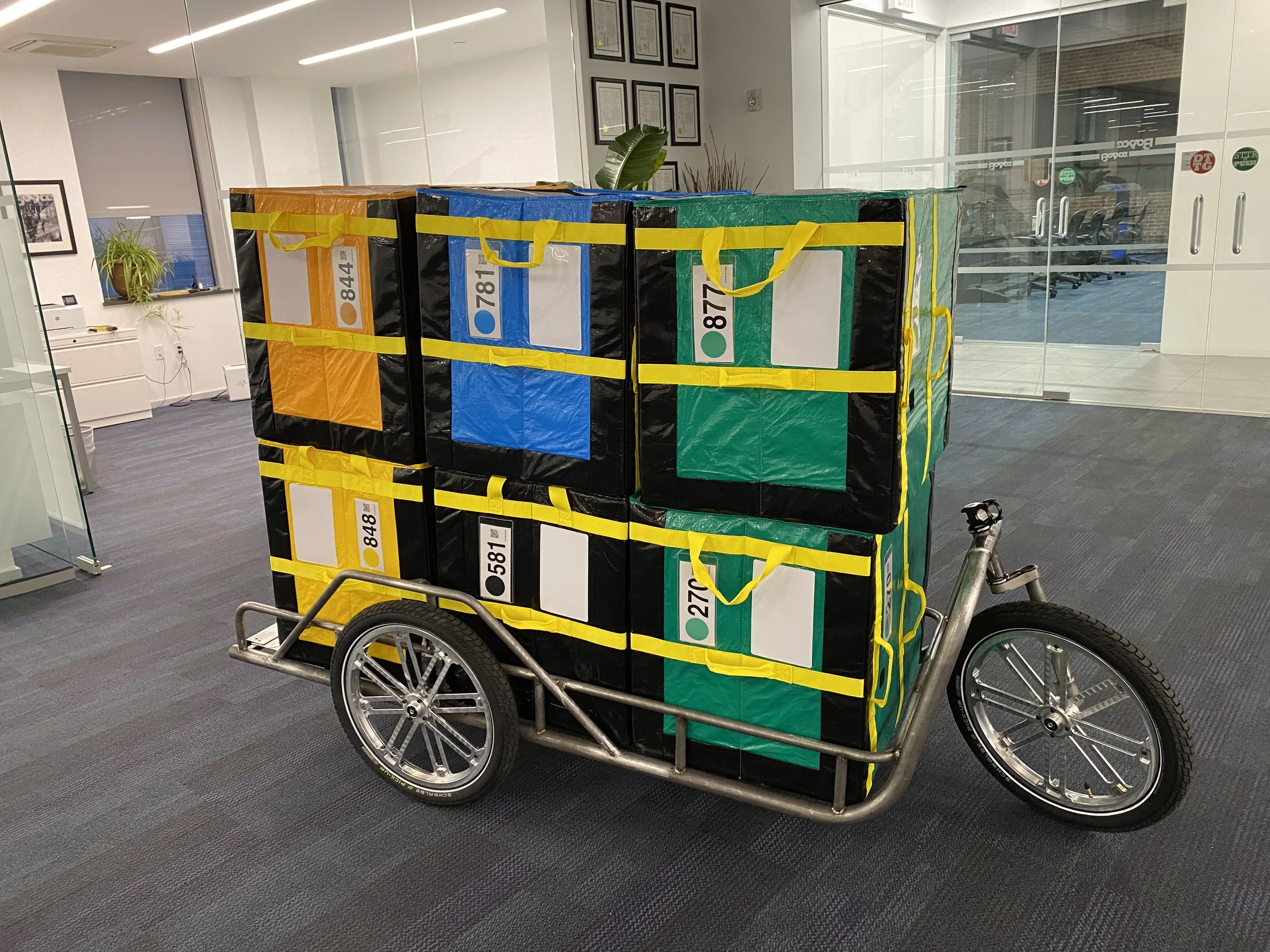
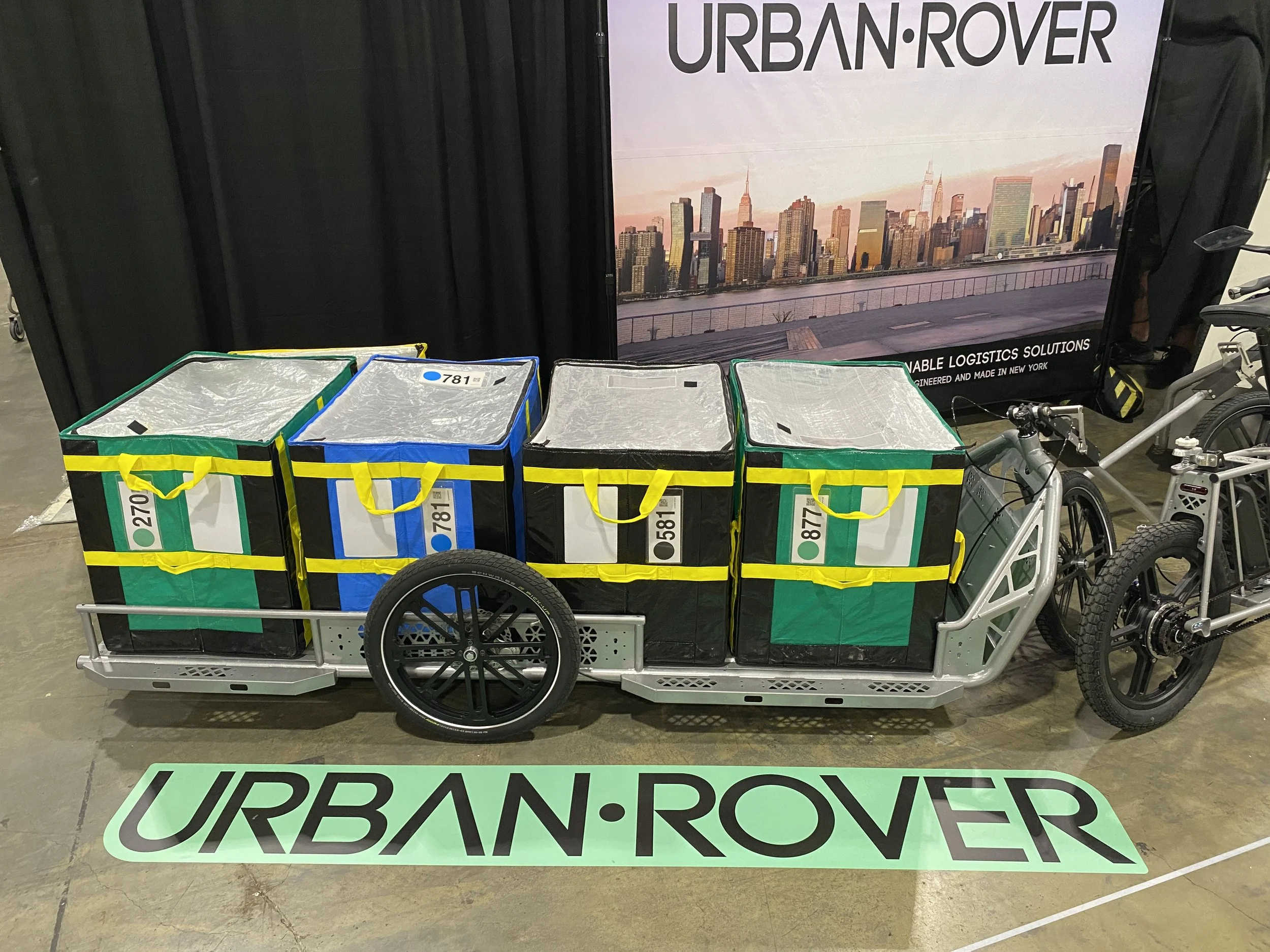
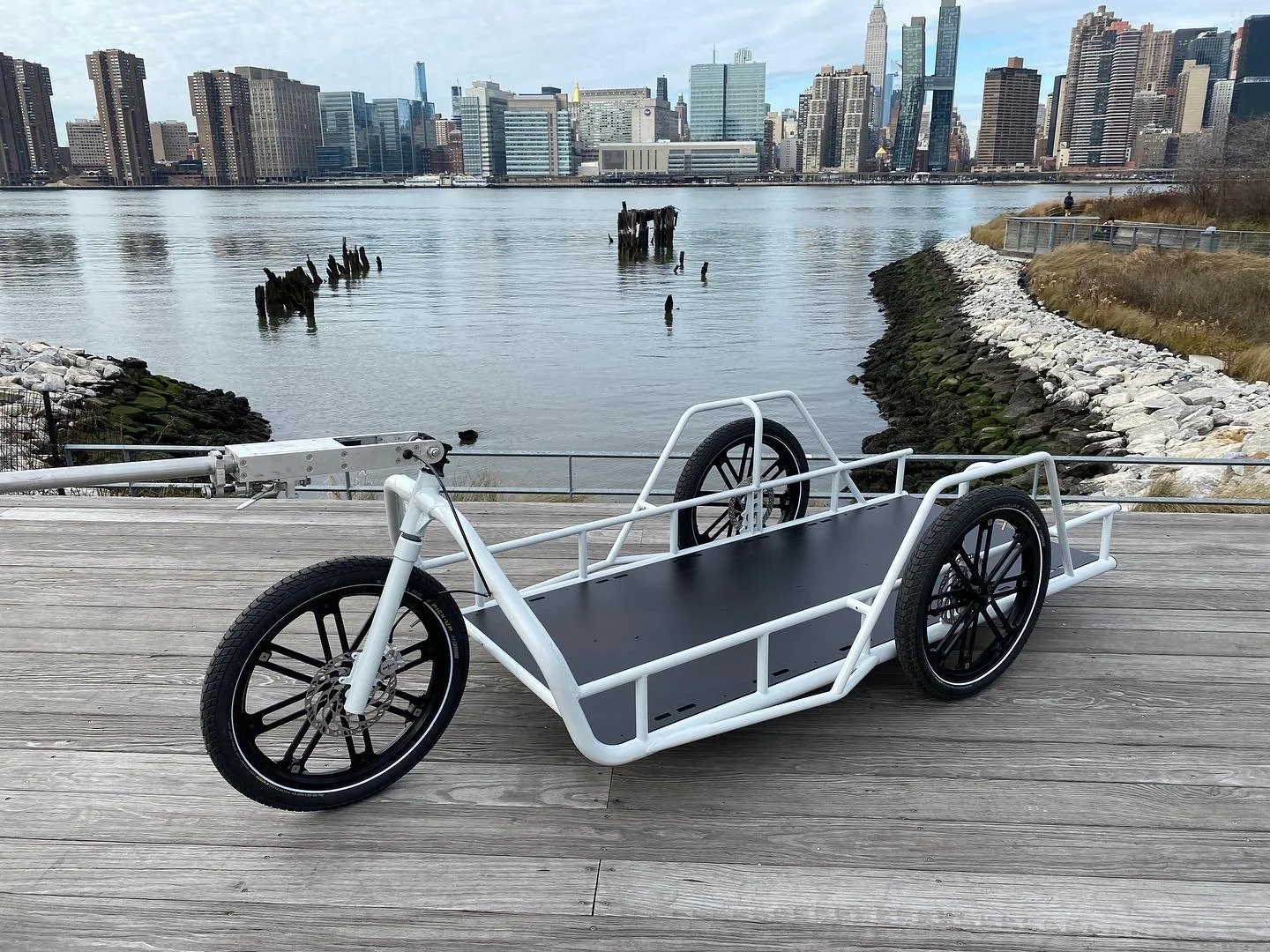
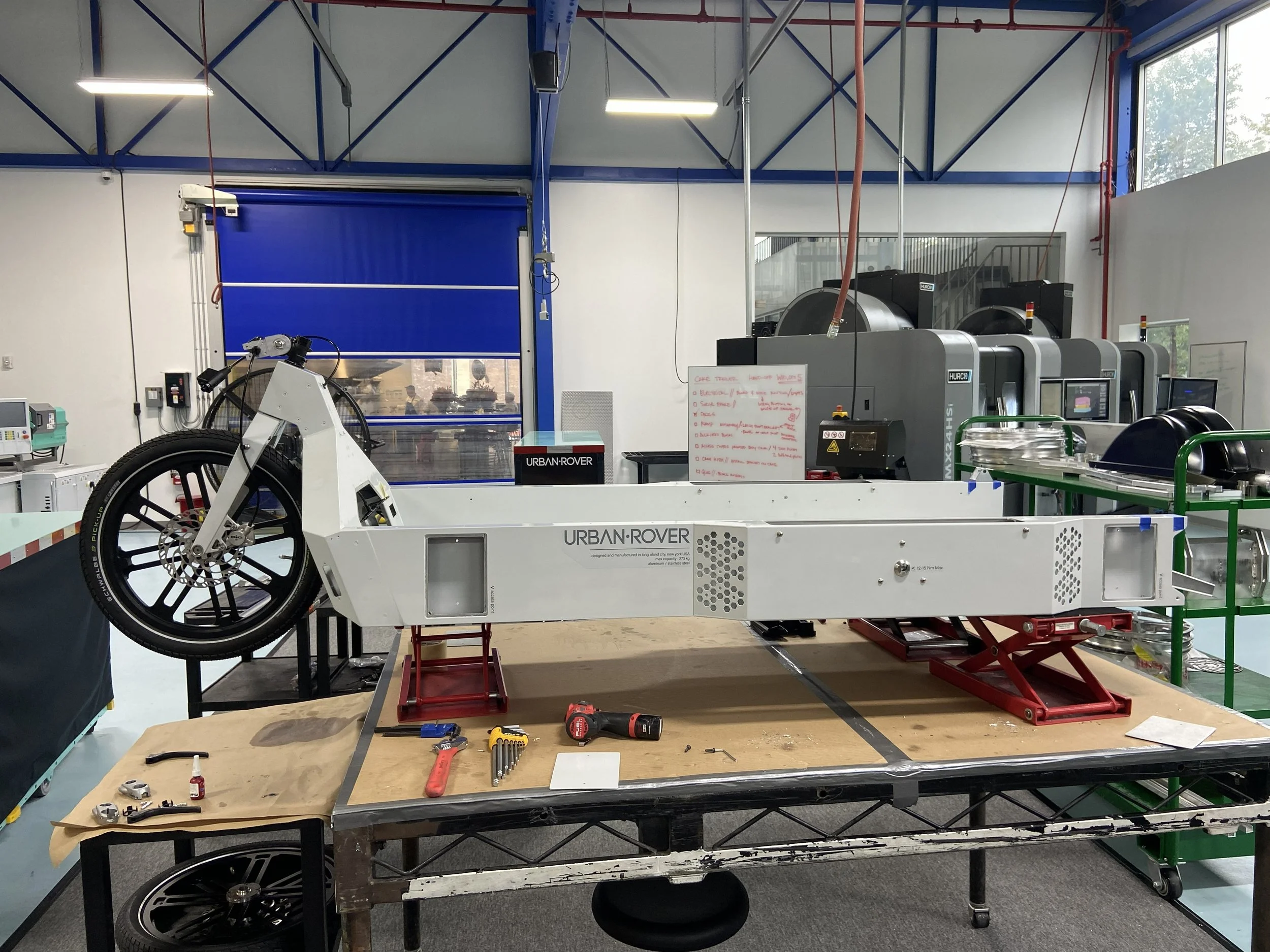
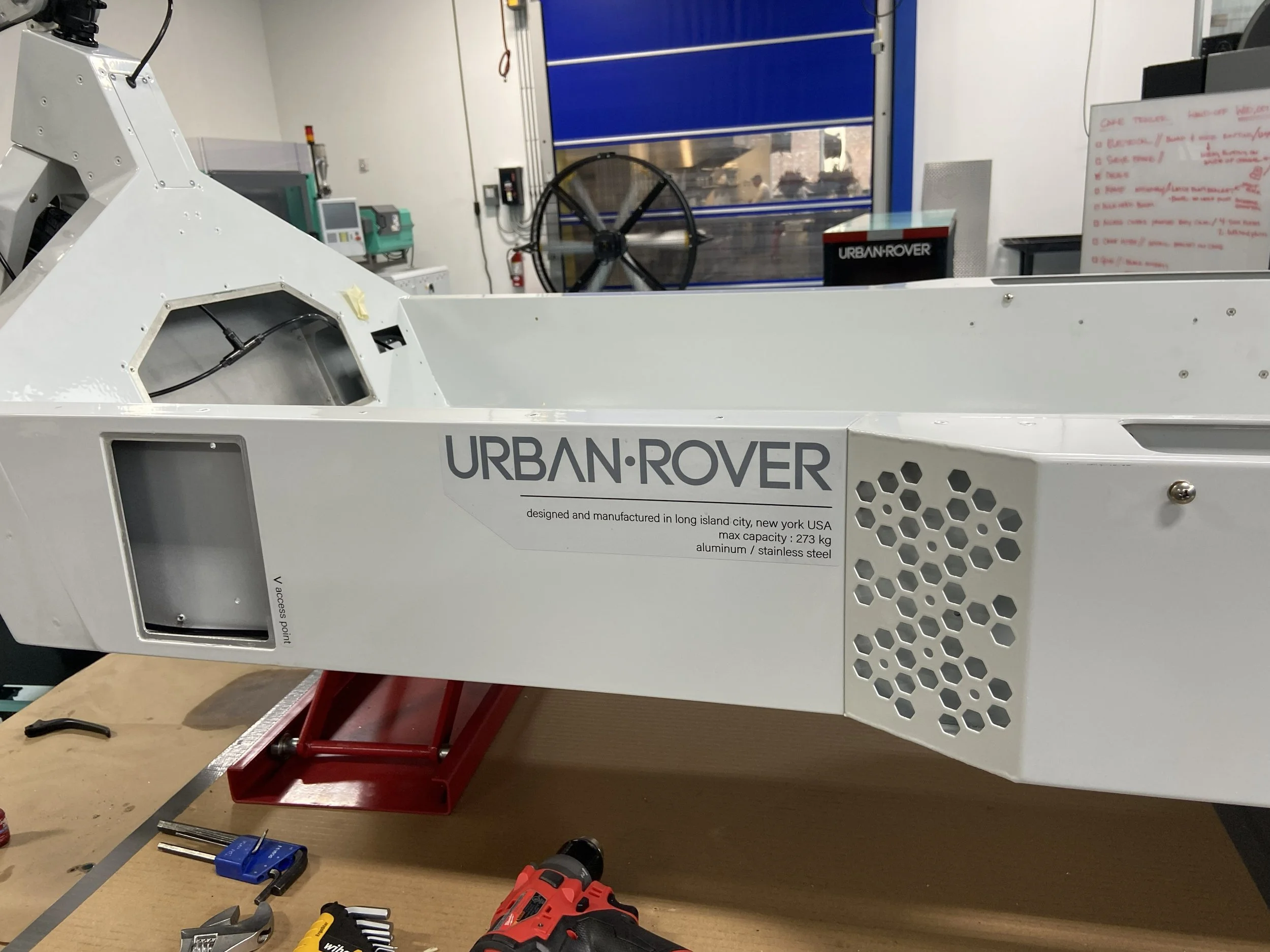
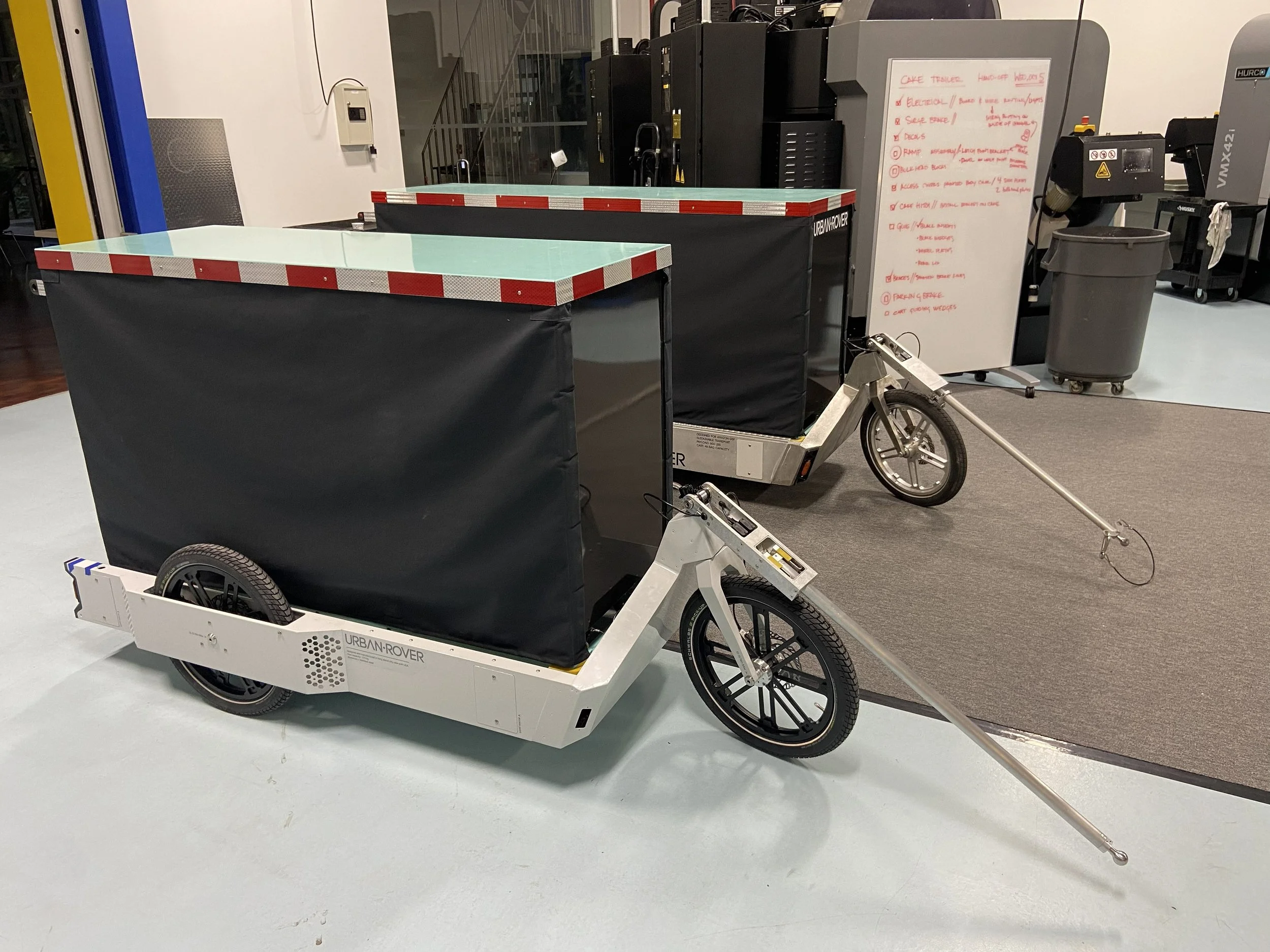
The trailer was designed to carry loads of up to 600 pounds and incorporated onboard lighting and a three-wheel surge-braking system. Its wheels were interchangeable with those on the TUG, allowing a damaged wheel to be replaced quickly in the field rather than repairing a puncture on-site. This helped minimize downtime—one of the most critical considerations in commercial delivery.
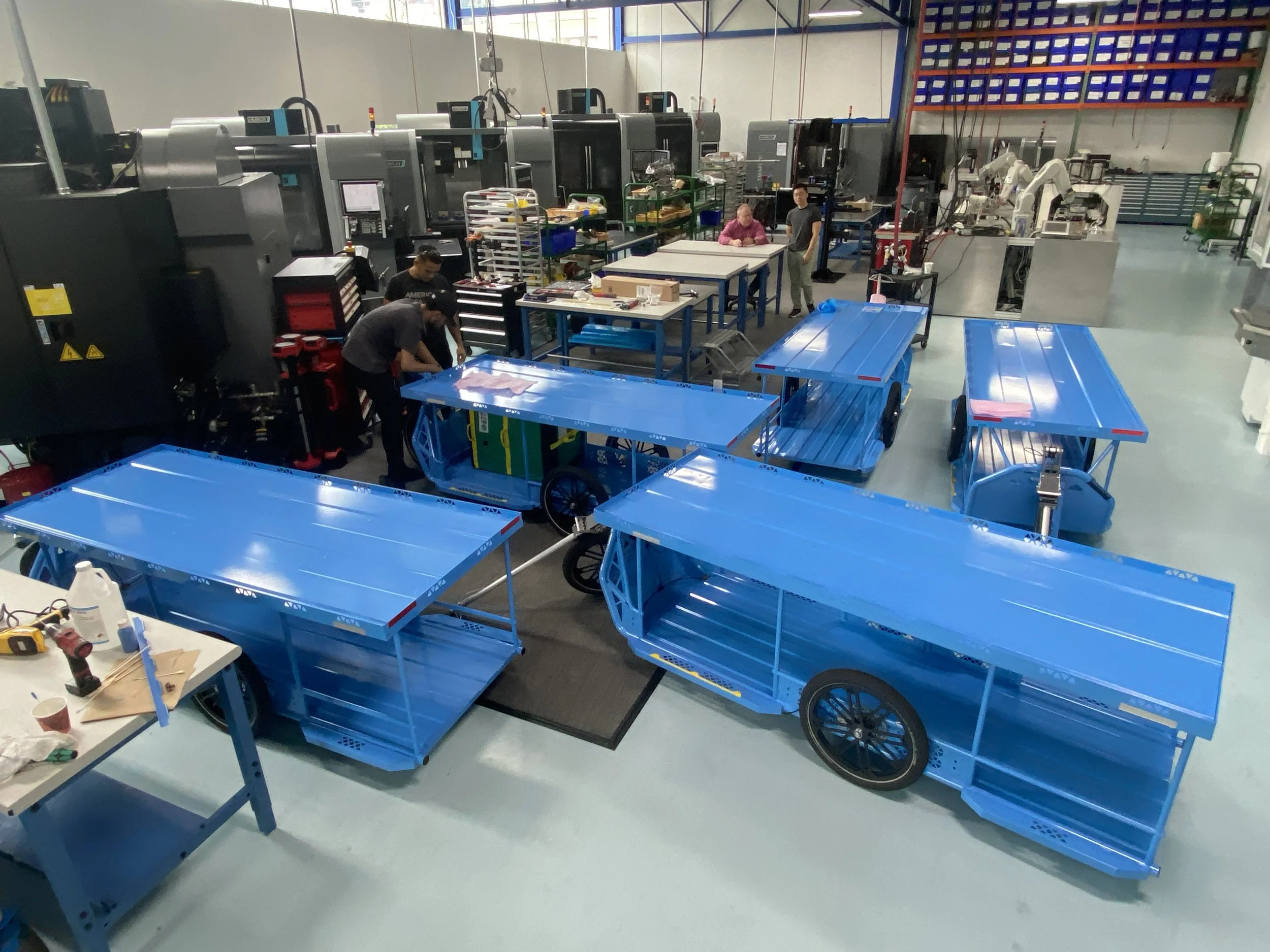
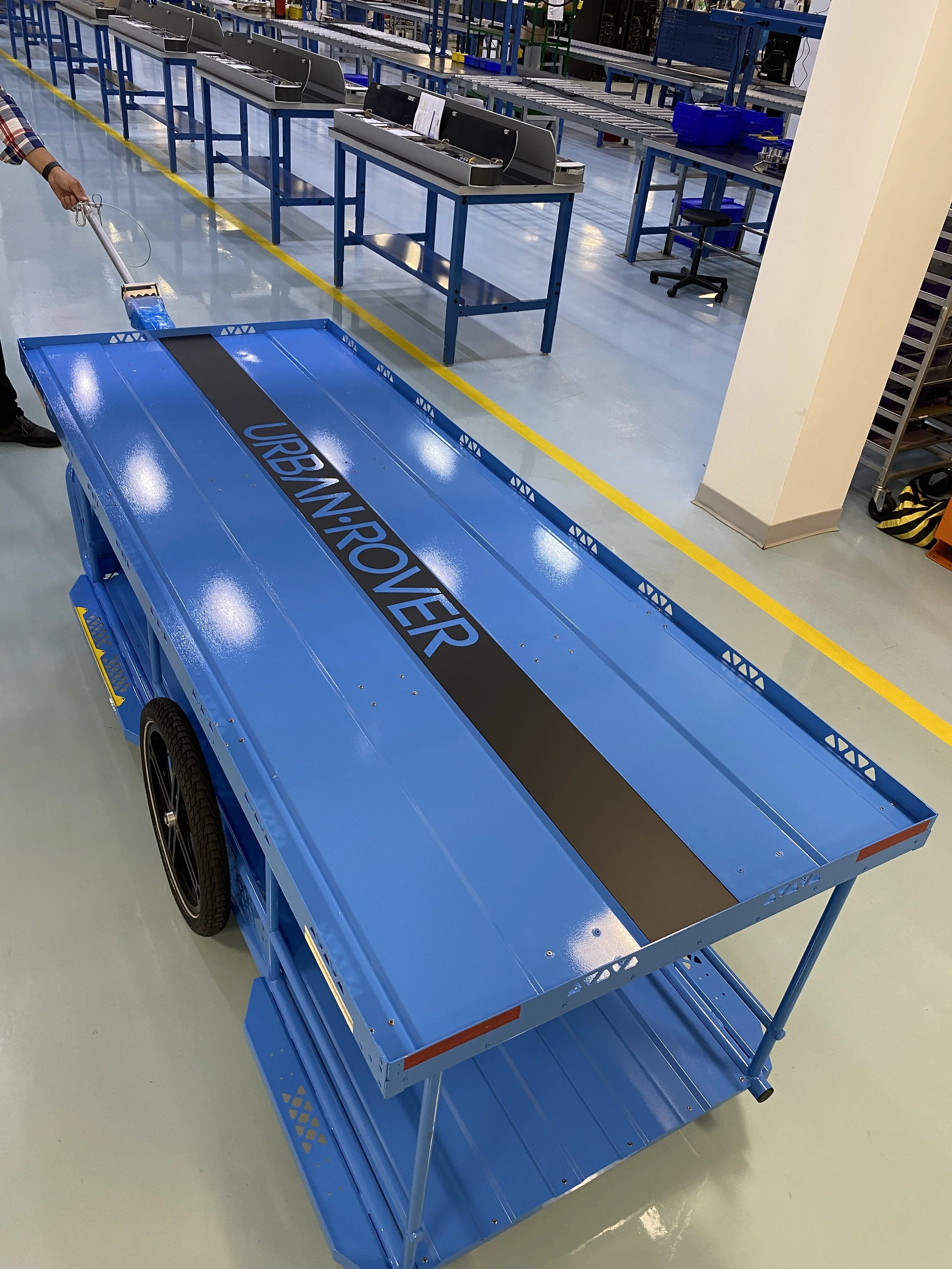
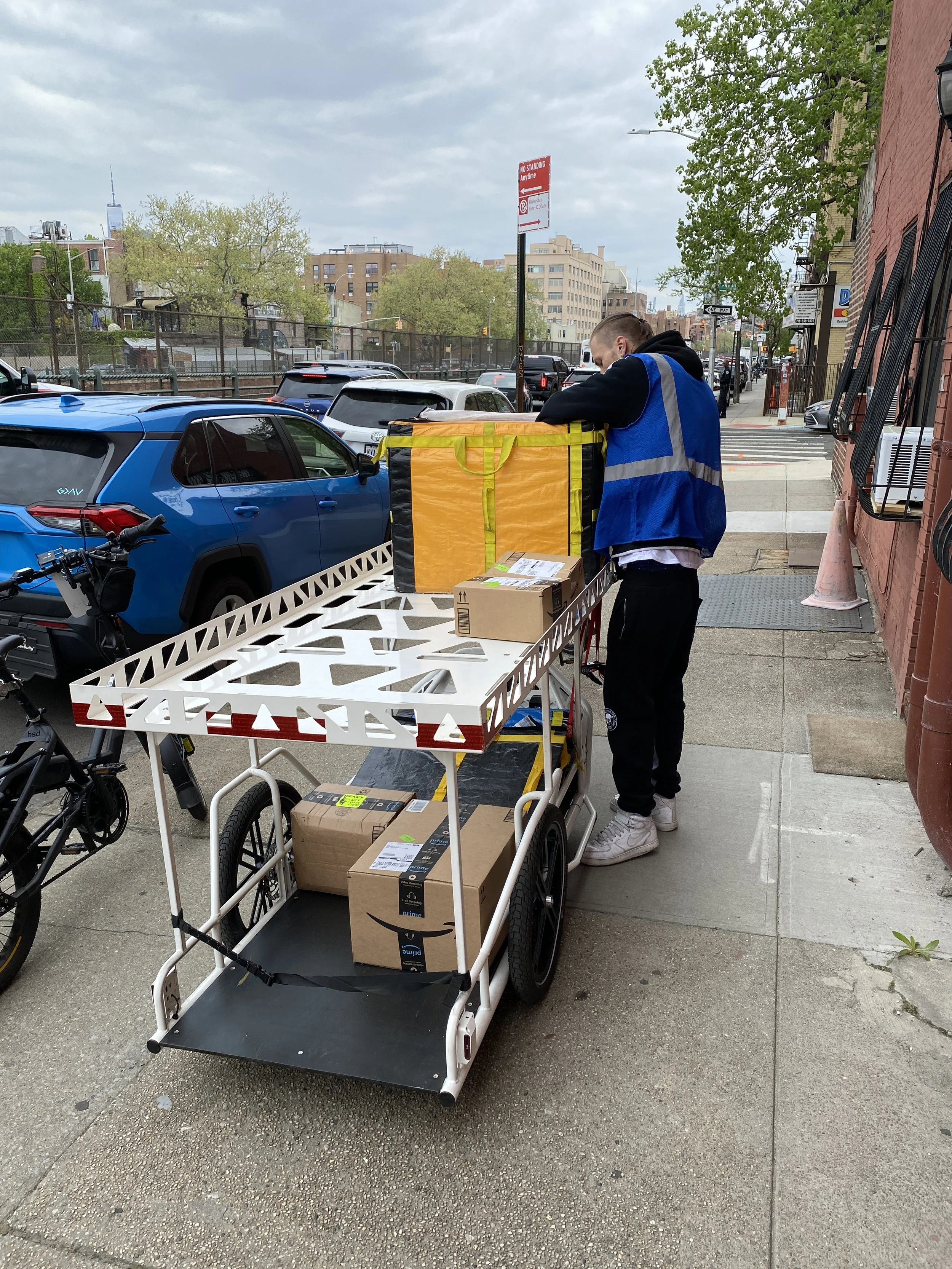
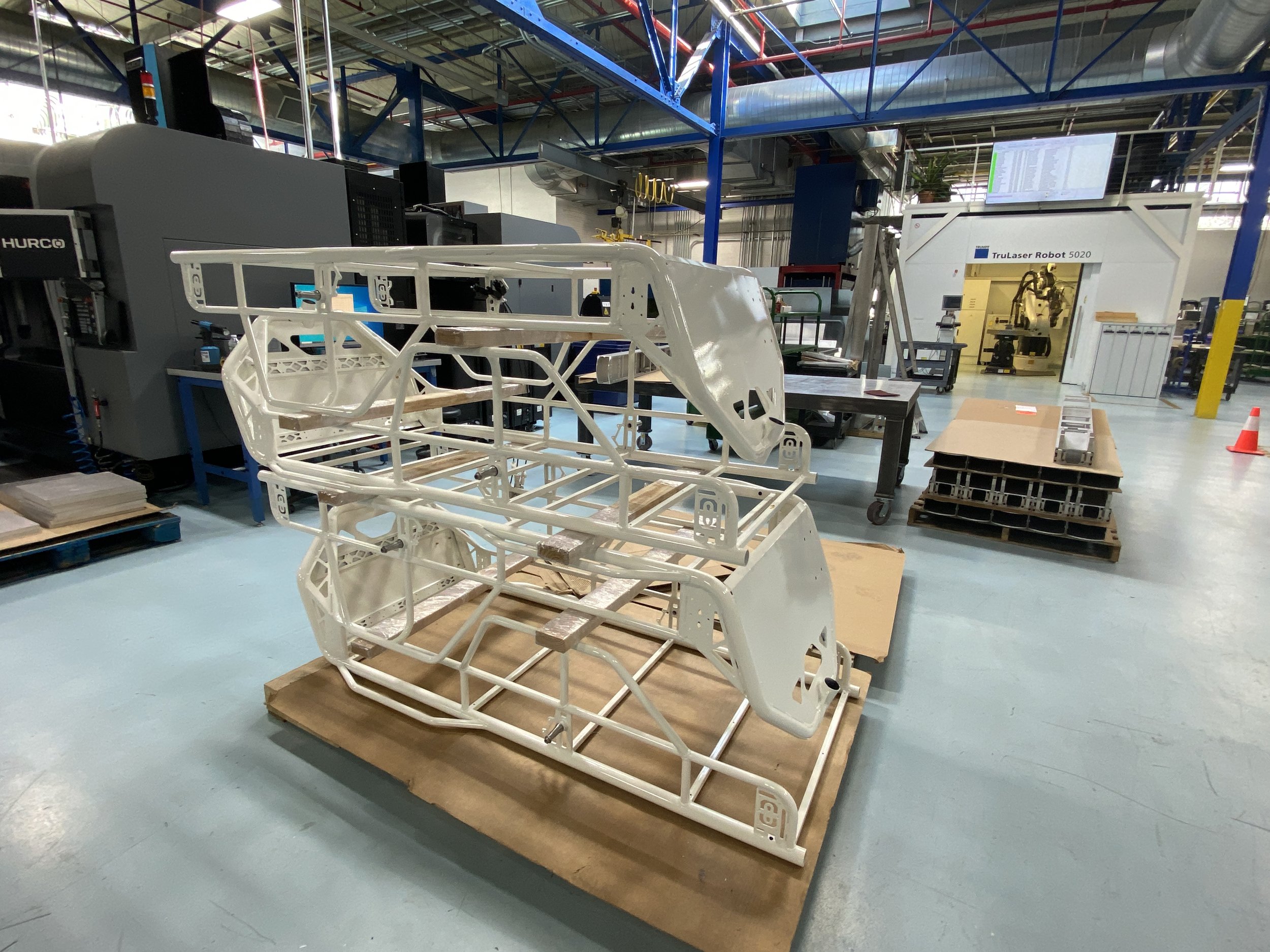
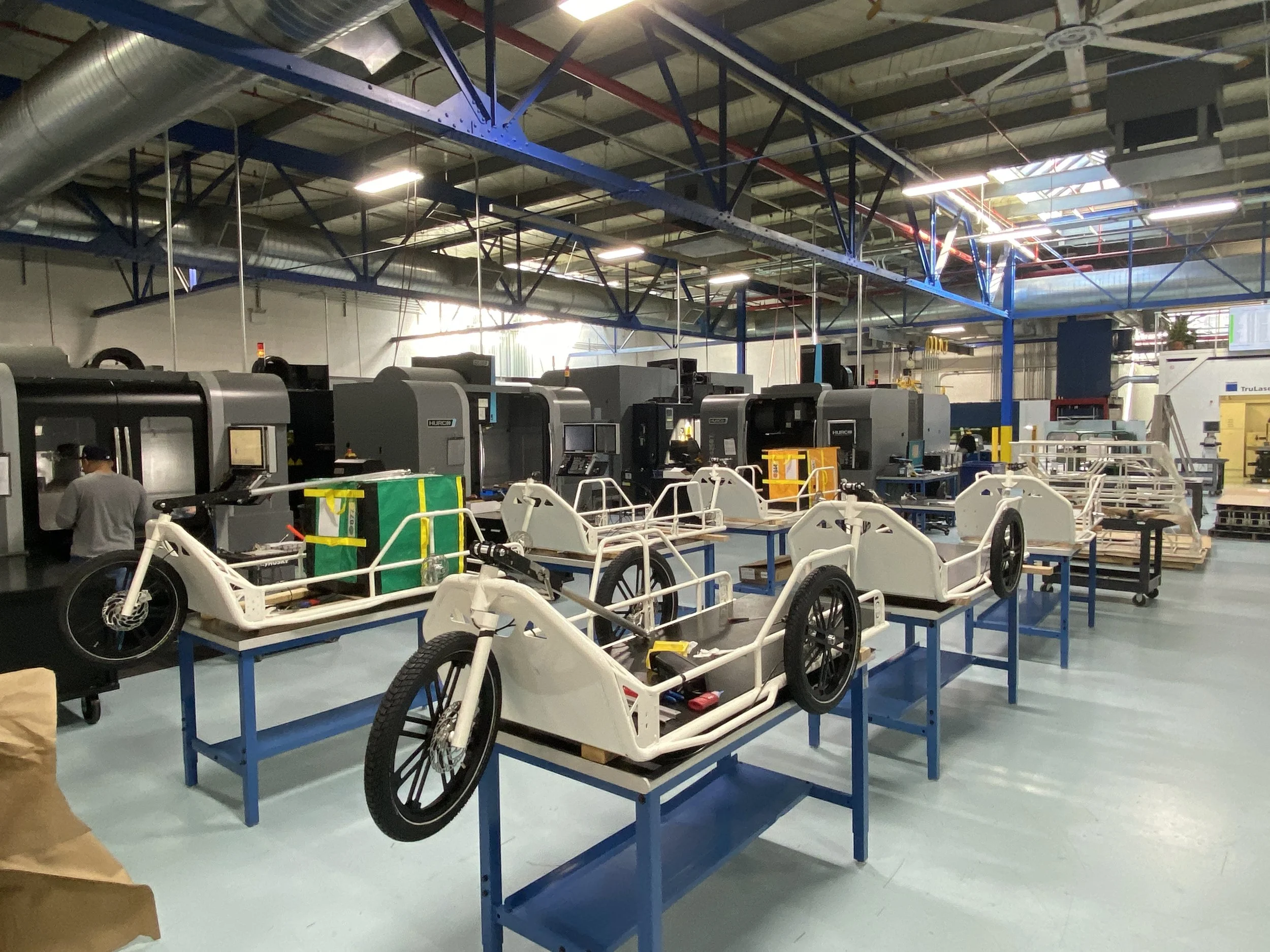
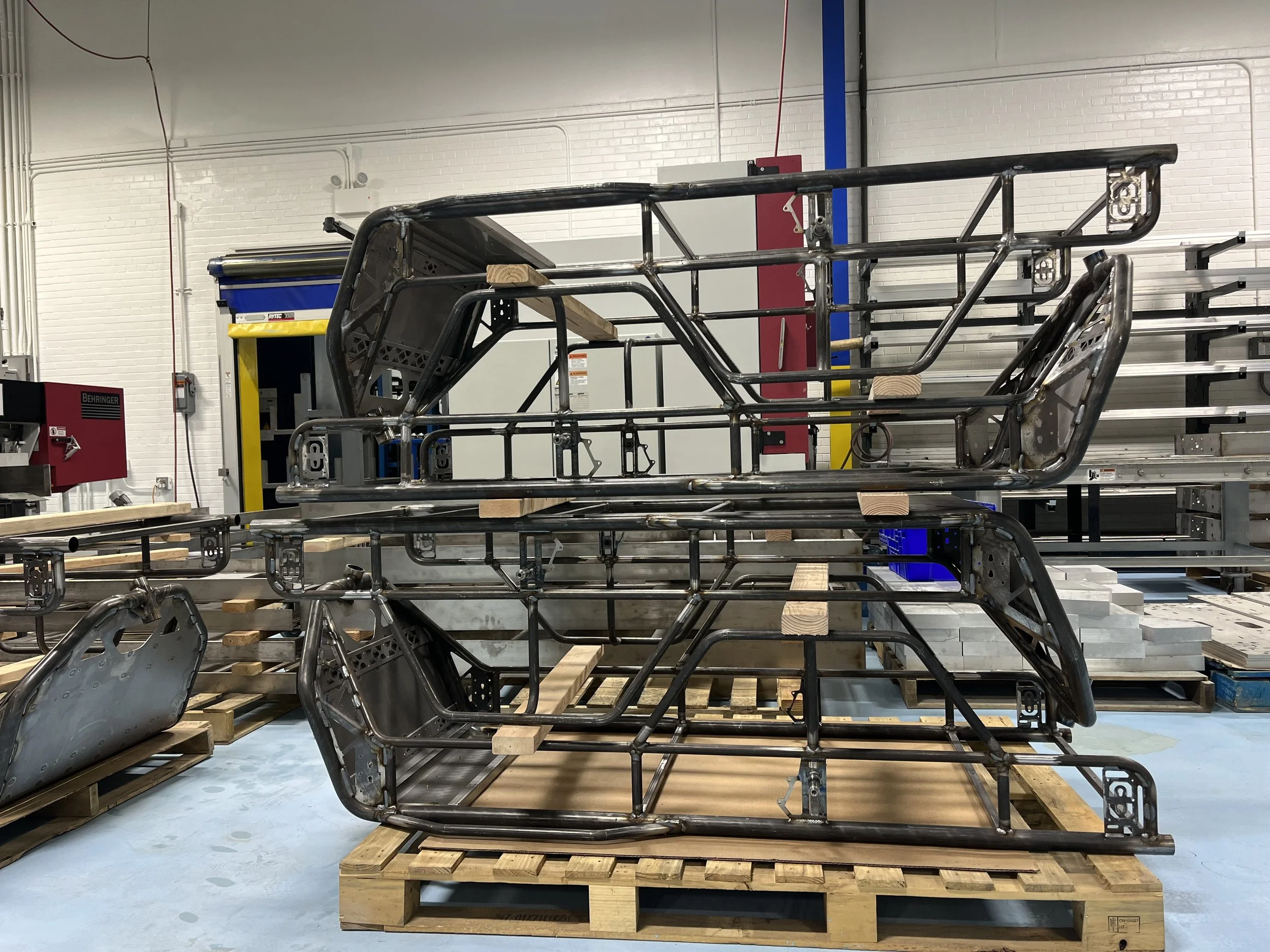
The cargo cart could roll directly on and off the trailer, then travel independently along sidewalks and into stores or warehouses for loading. An integrated passive suspension system helped protect its contents from the harsh surfaces of New York City streets.
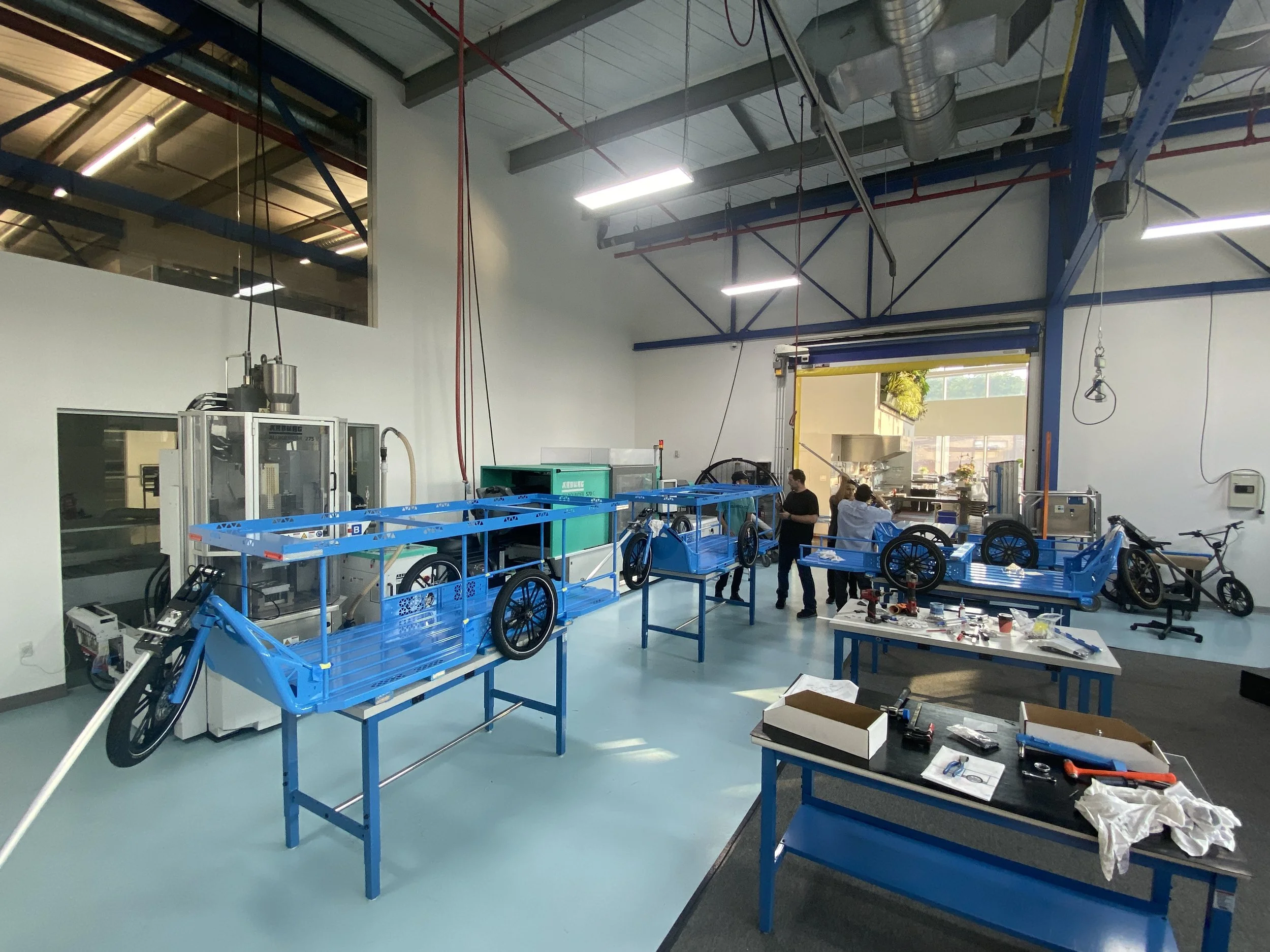
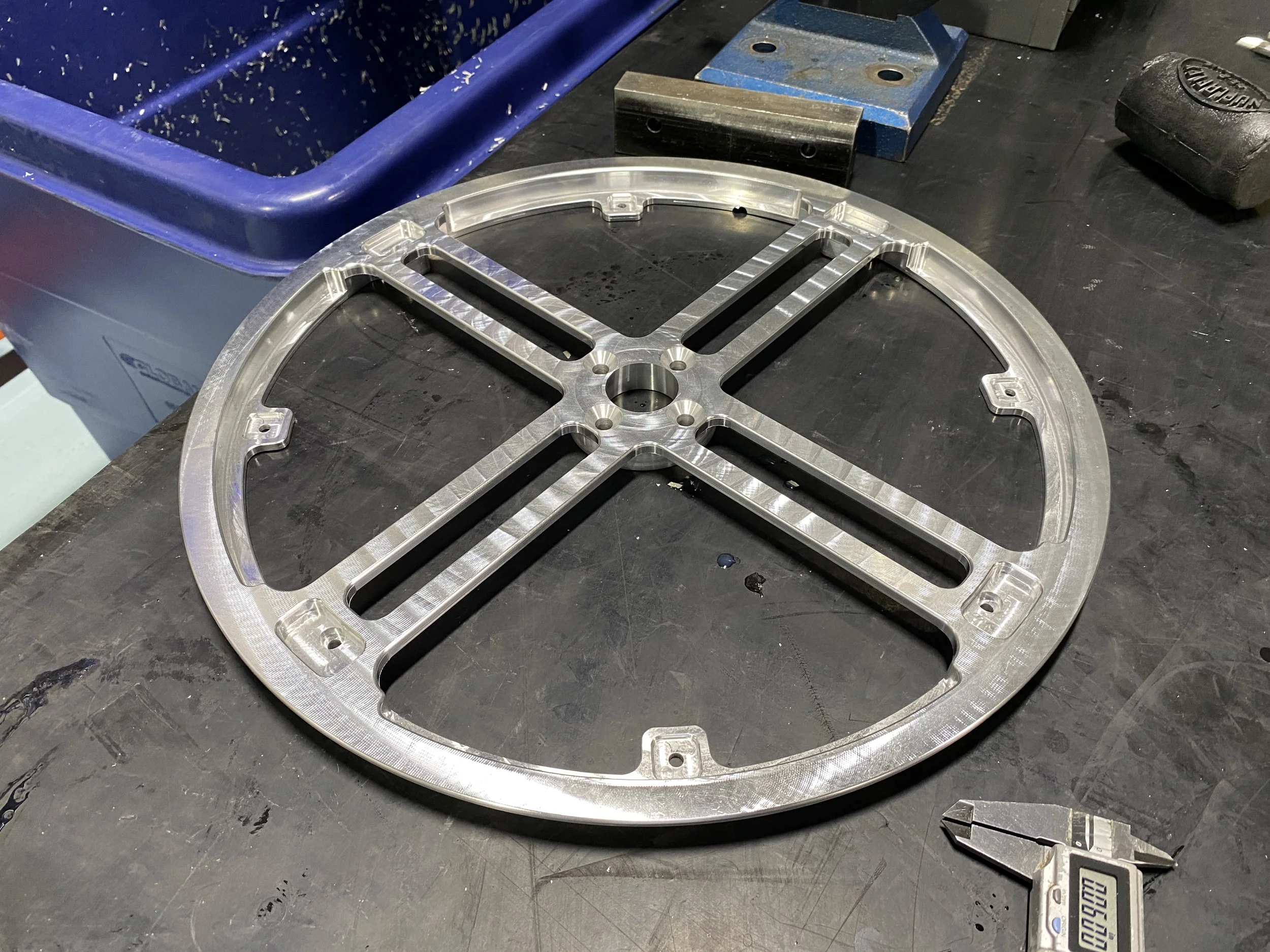
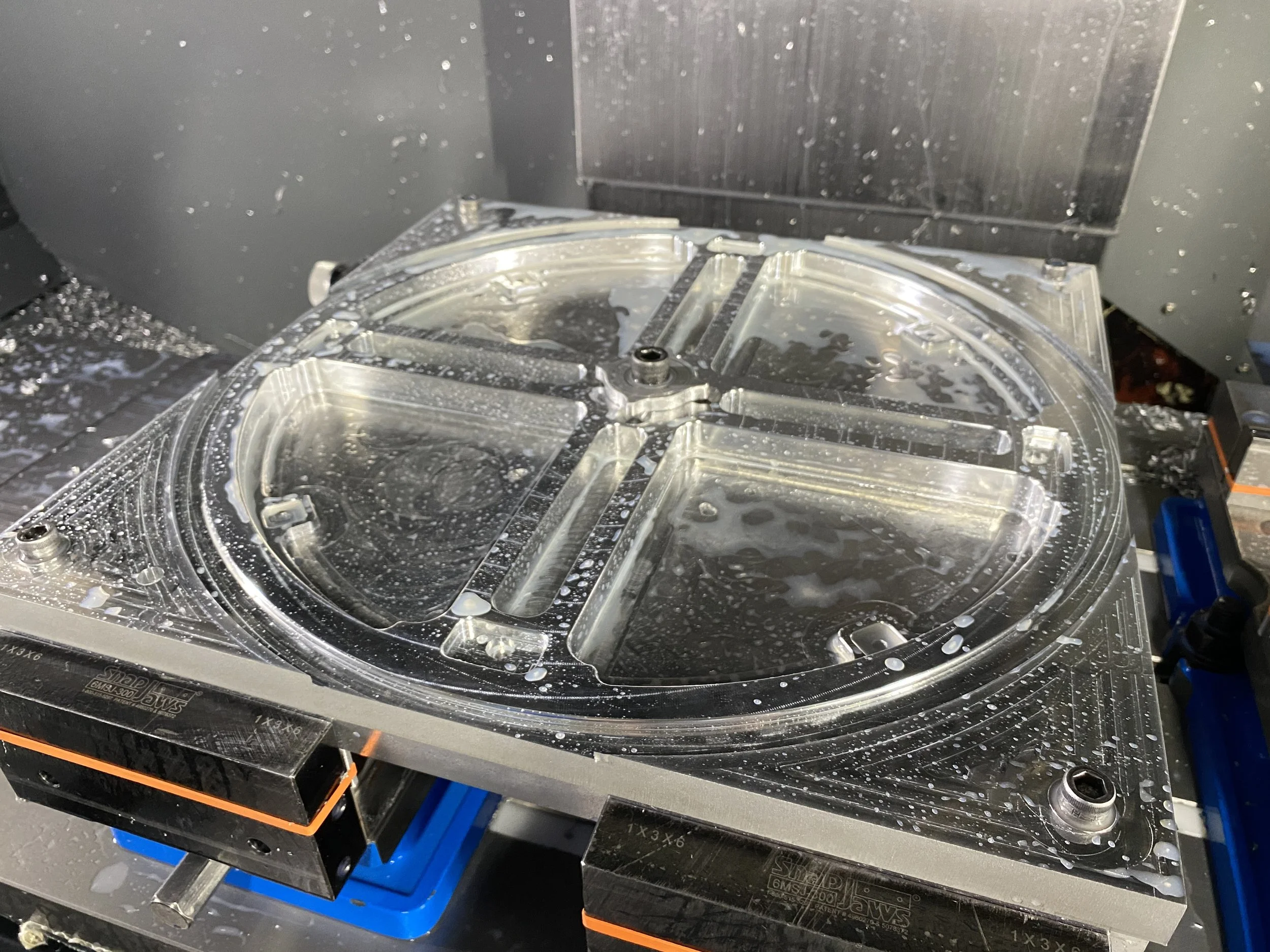
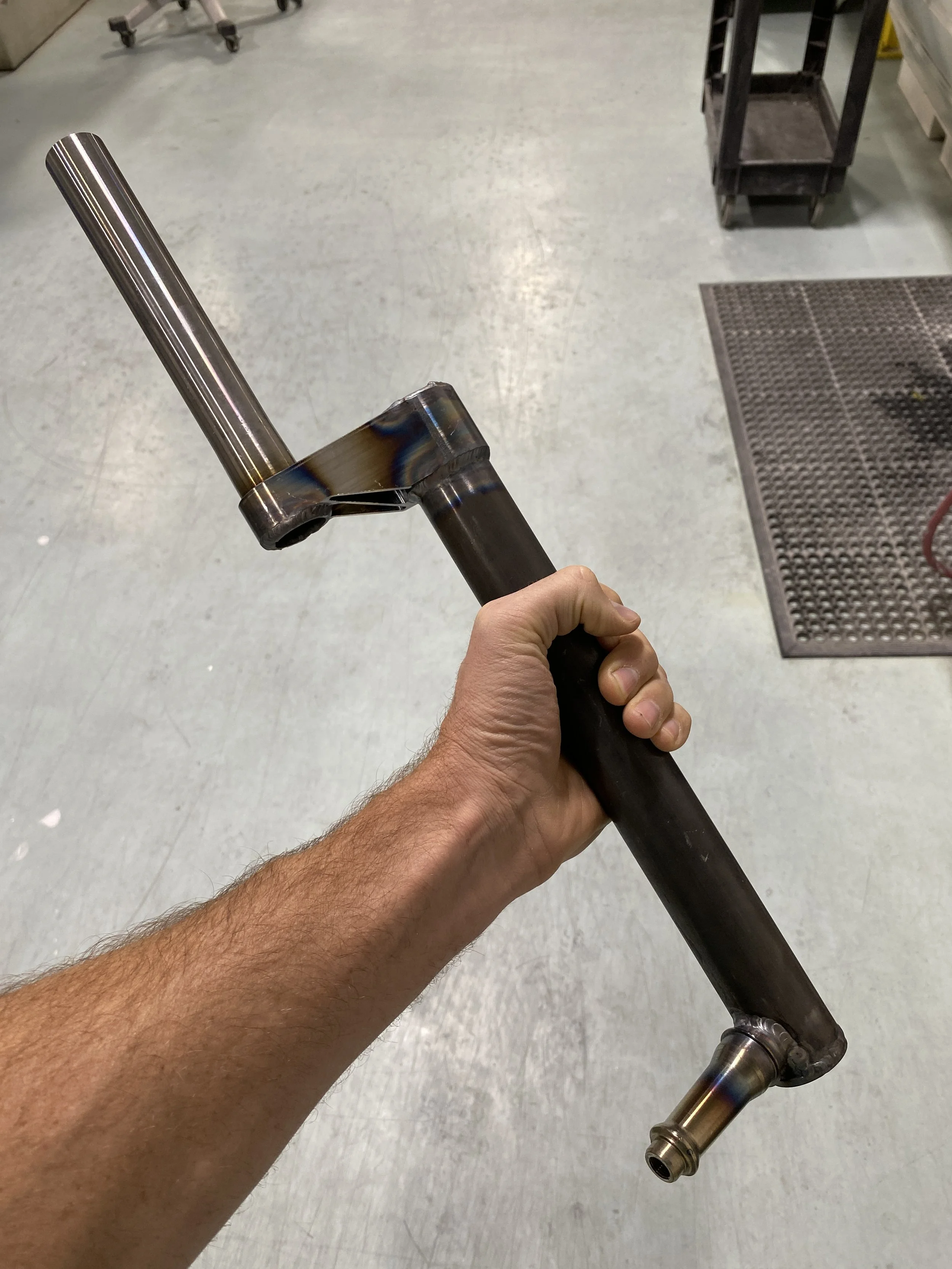
One of the project’s greatest advantages was having production entirely in-house. We could develop an idea, build a prototype, and test it in Manhattan within the same day. This exceptionally fast cycle of design, fabrication, and real-world feedback shaped not only the products but also the Urban Rover brand and its complete delivery experience.